

What are Neuromorphic Sensors ?
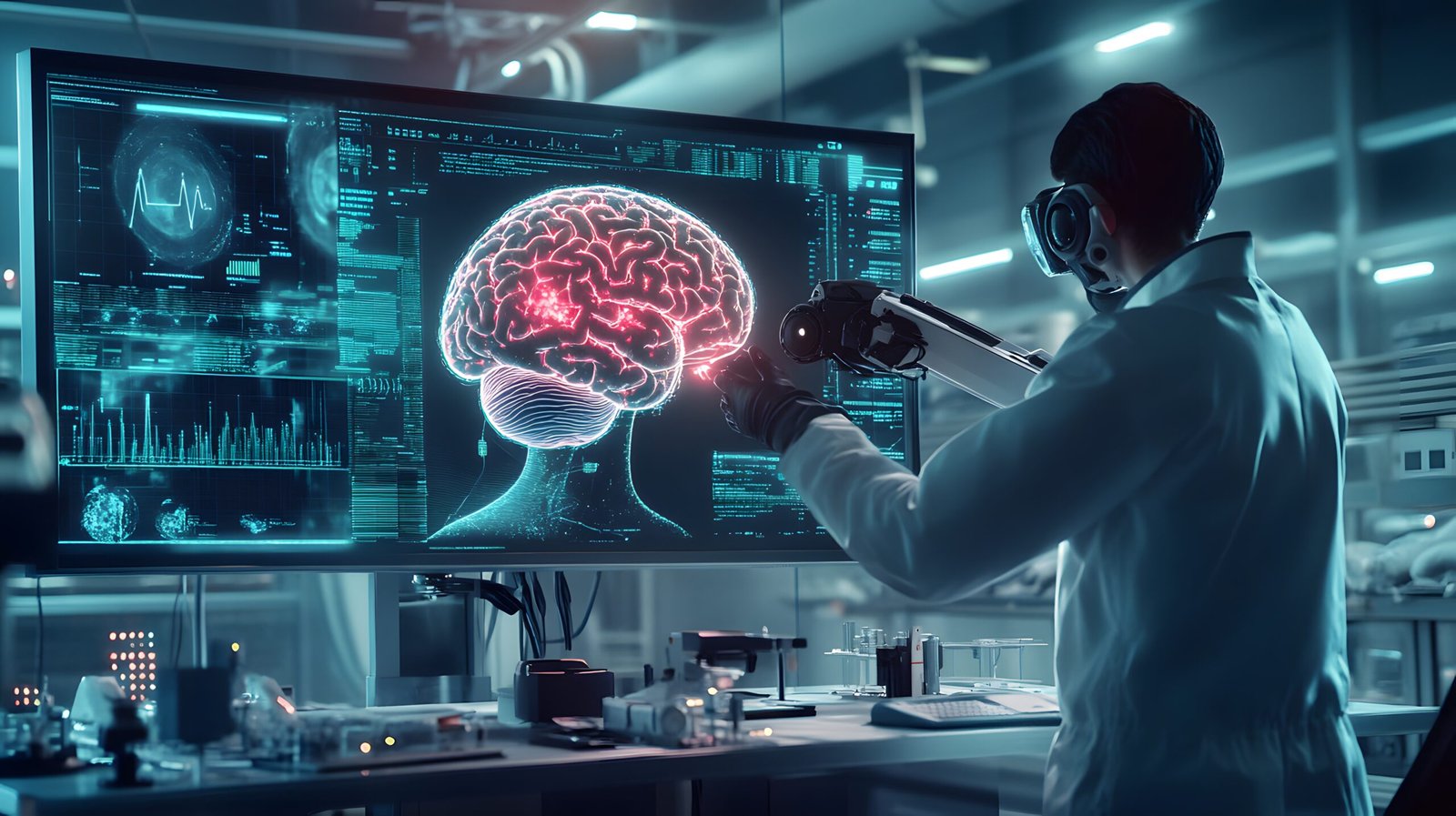
Neuromorphic sensors represent a transformative leap in sensor technology, drawing inspiration from the human brain’s ability to process information in an efficient, parallel, and adaptive manner. Unlike traditional sensors, which are typically limited by their reliance on classical computing models, neuromorphic sensors aim to mimic the neural architecture of the brain to achieve more efficient data processing. This concept is particularly relevant in applications where real-time processing and low power consumption are critical. Neuromorphic systems are not just a theoretical concept but are rapidly gaining traction across various fields, including robotics, autonomous vehicles, and artificial intelligence (AI).
The idea behind neuromorphic sensors is to create devices that can replicate the brain’s ability to process sensory information, such as vision, touch, or sound, in a manner that is highly efficient and adaptive. In the human brain, sensory information is processed in parallel by neurons, each of which is capable of performing simple computations. When combined, these neurons create a highly complex, yet efficient, network that can respond to a wide range of stimuli with remarkable speed and accuracy. Neuromorphic sensors aim to replicate this functionality by using hardware designed to emulate the neural architecture of the brain.
One of the key advantages of neuromorphic sensors is their ability to process data in real-time. Traditional sensors typically rely on a serial approach to data processing, where information is collected, stored, and then processed in sequence. This approach can lead to significant delays, particularly in applications that require rapid decision-making. In contrast, neuromorphic sensors can process data as it is received, thanks to their parallel architecture. This real-time processing capability is particularly important in fields such as robotics and autonomous systems, where split-second decisions can be the difference between success and failure.
Another major advantage of neuromorphic sensors is their energy efficiency. The human brain is incredibly efficient when it comes to energy consumption, using only around 20 watts of power to perform complex cognitive tasks. Neuromorphic sensors, by mimicking the brain’s architecture, are able to achieve similarly low power consumption. This is a significant advantage in applications such as wearable devices, where battery life is a critical concern. In addition, neuromorphic sensors can operate in environments where power availability is limited, such as in space exploration or remote sensing applications.
Neuromorphic sensors also offer the potential for adaptive learning. Traditional sensors typically operate using fixed algorithms that are designed to process specific types of data. However, these algorithms often struggle when confronted with new or unexpected data. Neuromorphic sensors, on the other hand, are designed to learn from the data they receive, much like the human brain. This adaptive learning capability allows neuromorphic sensors to respond to changing environments and to improve their performance over time. For example, a neuromorphic vision sensor used in a robotic system could learn to recognize new objects or environments without the need for manual reprogramming.
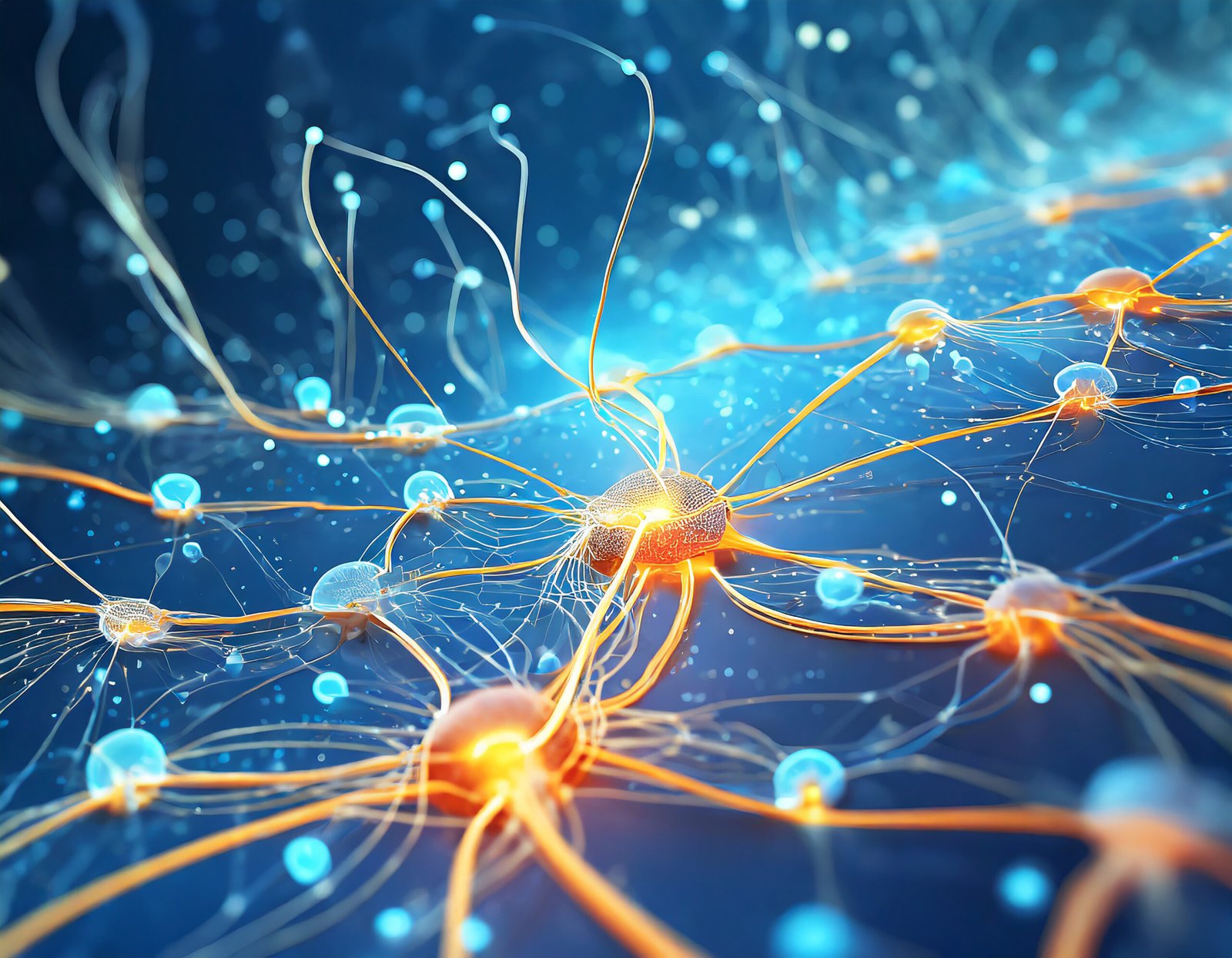
The development of neuromorphic sensors has been made possible by advances in both hardware and software. On the hardware side, neuromorphic sensors rely on specialized circuits known as spiking neural networks (SNNs). These circuits are designed to mimic the way neurons in the brain communicate with each other using electrical impulses, or spikes. Each neuron in an SNN is capable of processing incoming spikes and generating its own spikes in response. By connecting multiple neurons together, it is possible to create a highly parallel network that can process complex sensory information.
In addition to the hardware, software plays a crucial role in the functioning of neuromorphic sensors. Neuromorphic algorithms are designed to process data in a manner that mimics the brain’s ability to learn and adapt. These algorithms are capable of handling noisy or incomplete data, making them ideal for use in real-world environments where sensor data may be imperfect. Furthermore, neuromorphic algorithms can be trained to recognize patterns in the data, allowing the sensor to improve its performance over time.
One of the most promising applications of neuromorphic sensors is in the field of robotics. Robots equipped with traditional sensors often struggle to process the vast amounts of data they receive from their environment, leading to slow response times and limited functionality. Neuromorphic sensors, with their ability to process data in real-time and adapt to changing environments, offer a potential solution to these challenges. For example, a neuromorphic vision sensor could be used to help a robot navigate a complex environment, such as a factory floor or a disaster site, by allowing the robot to recognize objects and obstacles in real-time. In addition, neuromorphic sensors could enable robots to learn new tasks without the need for manual reprogramming, making them more versatile and easier to deploy in a wide range of applications.
Another area where neuromorphic sensors are making an impact is in the development of autonomous vehicles. Autonomous vehicles rely on a variety of sensors, including cameras, radar, and lidar, to navigate their environment. However, processing the data from these sensors in real-time is a significant challenge, particularly in complex environments such as city streets. Neuromorphic sensors, with their ability to process data quickly and efficiently, offer a potential solution to this problem. For example, a neuromorphic vision sensor could be used to help an autonomous vehicle recognize pedestrians, cyclists, and other vehicles in real-time, allowing the vehicle to make split-second decisions to avoid collisions.
Neuromorphic sensors are also being explored for use in healthcare applications. One of the most promising areas is in the development of prosthetic devices that can provide sensory feedback to the user. Traditional prosthetic devices are often limited by their inability to provide the user with a sense of touch, making it difficult for the user to perform tasks that require fine motor control. Neuromorphic sensors, by mimicking the brain’s ability to process sensory information, could be used to provide real-time feedback to the user, allowing them to perform tasks with greater precision and control. In addition, neuromorphic sensors could be used in brain-computer interfaces, where they could help to translate neural signals into commands for controlling external devices.
In addition to robotics, autonomous vehicles, and healthcare, neuromorphic sensors have the potential to revolutionize a wide range of other industries. For example, they could be used in environmental monitoring systems to process data from multiple sensors in real-time, allowing for more accurate and timely detection of environmental changes. Neuromorphic sensors could also be used in security systems to recognize patterns of behavior that may indicate a potential threat, allowing for quicker and more effective responses. Furthermore, neuromorphic sensors could be used in consumer electronics, such as smartphones and wearable devices, to improve the efficiency and functionality of these devices.
Despite the many advantages of neuromorphic sensors, there are still significant challenges that need to be addressed before they can be widely adopted. One of the main challenges is the development of hardware that is capable of mimicking the brain’s neural architecture at a large scale. While spiking neural networks have shown great promise, scaling these networks to the level required for complex applications remains a significant technical challenge. In addition, there is a need for further research into neuromorphic algorithms that can effectively process sensory data in real-world environments.
Another challenge is the integration of neuromorphic sensors with existing technologies. Many industries have invested heavily in traditional sensor technologies and may be reluctant to adopt new systems that require significant changes to their infrastructure. In addition, there are concerns about the cost of neuromorphic sensors, particularly in industries where cost is a major factor. However, as the technology continues to develop and mature, it is likely that these challenges will be overcome, and neuromorphic sensors will become an increasingly important part of the technological landscape.
In conclusion, neuromorphic sensors represent a major step forward in the development of sensor technology. By mimicking the neural architecture of the brain, these sensors are able to process data in real-time, adapt to changing environments, and operate with remarkable energy efficiency. While there are still challenges to be addressed, the potential applications of neuromorphic sensors are vast and varied, ranging from robotics and autonomous vehicles to healthcare and environmental monitoring. As research in this field continues to progress, it is likely that neuromorphic sensors will play an increasingly important role in the development of advanced technologies, paving the way for more efficient, intelligent, and adaptive systems in the future.
Thanks for sharing. I read many of your blog posts, cool, your blog is very good. https://accounts.binance.com/register-person?ref=IHJUI7TF
Your point of view caught my eye and was very interesting. Thanks. I have a question for you.
Can you be more specific about the content of your article? After reading it, I still have some doubts. Hope you can help me. https://accounts.binance.info/fr/register-person?ref=T7KCZASX
Thanks for sharing. I read many of your blog posts, cool, your blog is very good.
Your point of view caught my eye and was very interesting. Thanks. I have a question for you.
Can you be more specific about the content of your article? After reading it, I still have some doubts. Hope you can help me. https://www.binance.com/register?ref=IXBIAFVY
Thanks for sharing. I read many of your blog posts, cool, your blog is very good. https://accounts.binance.com/vi/register-person?ref=MFN0EVO1
Bet9k, yeah I’ve heard of it. Sports betting, decent odds, but nothing to write home about. Solid option for anyone looking for bets, bet9k is just what you’ll want!
I don’t think the title of your article matches the content lol. Just kidding, mainly because I had some doubts after reading the article. https://accounts.binance.com/ur/register-person?ref=SZSSS70P
Your point of view caught my eye and was very interesting. Thanks. I have a question for you.
Your point of view caught my eye and was very interesting. Thanks. I have a question for you.
Your article helped me a lot, is there any more related content? Thanks! https://accounts.binance.info/zh-CN/register-person?ref=WFZUU6SI
888SLOT mang đến trải nghiệm cá nhân hóa sâu sắc, ghi nhớ sở thích người dùng để đề xuất những kèo cược thơm nhất mỗi ngày. (Tương tự cho đến đoạn 80, tập trung vào: app, mượt mà, dễ dùng) TONY12-30
Thanks for sharing. I read many of your blog posts, cool, your blog is very good.
Downloaded the 55clubappregister. Registration was super easy. Hope the games are fun! Get yours here 55clubappregister
I don’t think the title of your article matches the content lol. Just kidding, mainly because I had some doubts after reading the article.
unlocker.ai – The Ultimate AI Tool for Bypassing Restrictions and Unlocking Content Seamlessly!
888SLOT có chính sách “thưởng nóng” cho thành viên trúng lớn: CSKH sẽ gọi điện chúc mừng và tặng thêm mã khuyến mãi trị giá 100.000–500.000 VNĐ. TONY01-12
pin77 app https://www.pin77.tech
philucky https://www.usphilucky.org
fb777 slot https://www.fb7777-slot.com
ph789 login https://www.ph789-login.com
peso99 https://www.repeso99.net
bk8casino https://www.bk8casinovs.com
Can you be more specific about the content of your article? After reading it, I still have some doubts. Hope you can help me. https://www.binance.com/register?ref=IXBIAFVY
Your point of view caught my eye and was very interesting. Thanks. I have a question for you. https://accounts.binance.info/ph/register-person?ref=IU36GZC4
Thank you for your sharing. I am worried that I lack creative ideas. It is your article that makes me full of hope. Thank you. But, I have a question, can you help me?
Với tôn chỉ “Khách hàng là trọng tâm”, 888slots không ngừng nâng cấp hệ thống bảo mật SSL 128 bit, đảm bảo mọi thông tin cá nhân và giao dịch tài chính của quý khách luôn được an toàn tuyệt đối. TONY01-26
Điều khiến trang chủ 66b khác biệt so với các nhà cái khác chính là cam kết minh bạch tuyệt đối. Mọi kết quả trò chơi đều được kiểm định bởi tổ chức quốc tế, đảm bảo công bằng 100% – không có chuyện “thuật toán gài người chơi”. TONY01-26
Dưới đây là những sản phẩm mà hướng dẫn 188v đã và đang cung cấp tại trang chủ chính thức mà bạn có thể lựa chọn trong mỗi lần truy cập. TONY01-26
Thanks for sharing. I read many of your blog posts, cool, your blog is very good. https://accounts.binance.com/es/register?ref=RQUR4BEO
Thanks for sharing. I read many of your blog posts, cool, your blog is very good.
Your point of view caught my eye and was very interesting. Thanks. I have a question for you. https://accounts.binance.info/tr/register?ref=MST5ZREF
Thank you for your sharing. I am worried that I lack creative ideas. It is your article that makes me full of hope. Thank you. But, I have a question, can you help me? https://www.binance.com/register?ref=IHJUI7TF
Your article helped me a lot, is there any more related content? Thanks! https://accounts.binance.com/sl/register?ref=I3OM7SCZ
Can you be more specific about the content of your article? After reading it, I still have some doubts. Hope you can help me.
A really good blog and me back again.
I don’t think the title of your article matches the content lol. Just kidding, mainly because I had some doubts after reading the article. https://accounts.binance.com/ar-BH/register-person?ref=S5H7X3LP
Thank you for your sharing. I am worried that I lack creative ideas. It is your article that makes me full of hope. Thank you. But, I have a question, can you help me?
Your article helped me a lot, is there any more related content? Thanks!
Your point of view caught my eye and was very interesting. Thanks. I have a question for you.
I don’t think the title of your article matches the content lol. Just kidding, mainly because I had some doubts after reading the article.
Thank you for your sharing. I am worried that I lack creative ideas. It is your article that makes me full of hope. Thank you. But, I have a question, can you help me?
[972]Hand777 Casino: Login, Register, Online Slots & APK Download Experience top online slots at Hand777 Casino, the Philippines’ favorite platform. Login or register now to play and download the APK for seamless mobile gaming. visit: hand777
Thank you for your sharing. I am worried that I lack creative ideas. It is your article that makes me full of hope. Thank you. But, I have a question, can you help me?