


Understanding Memory Disorders: Insights from Neuroscience
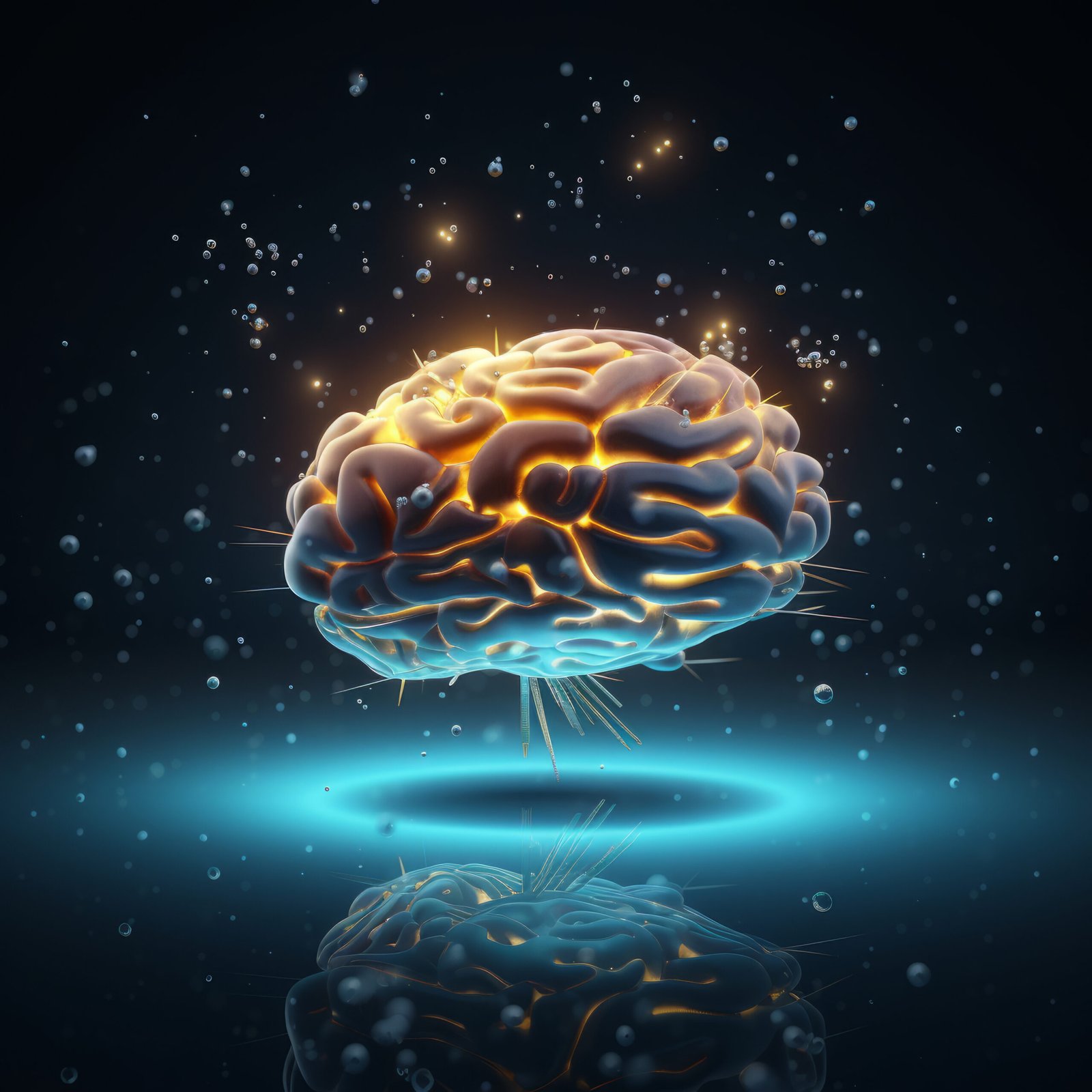
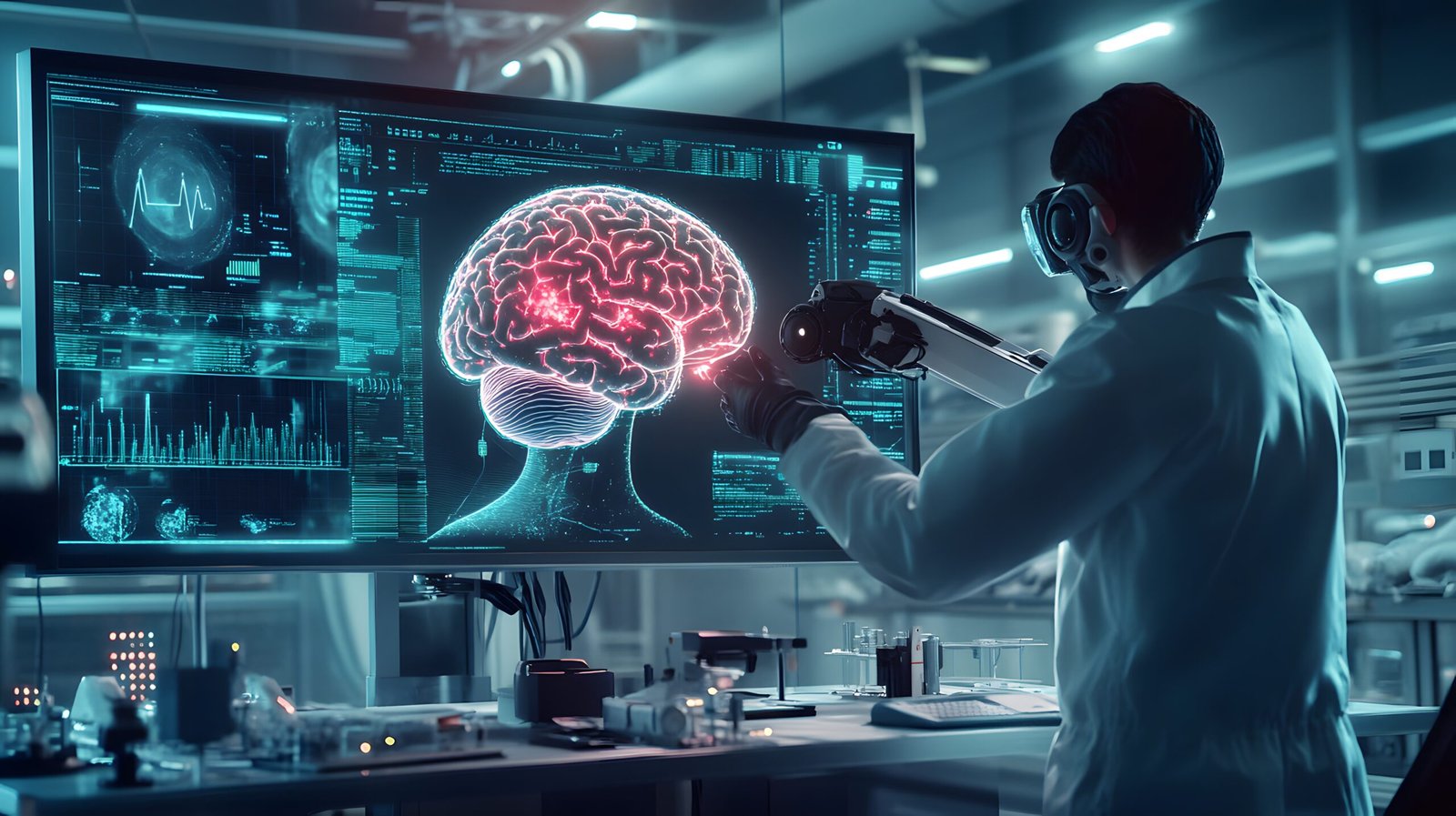
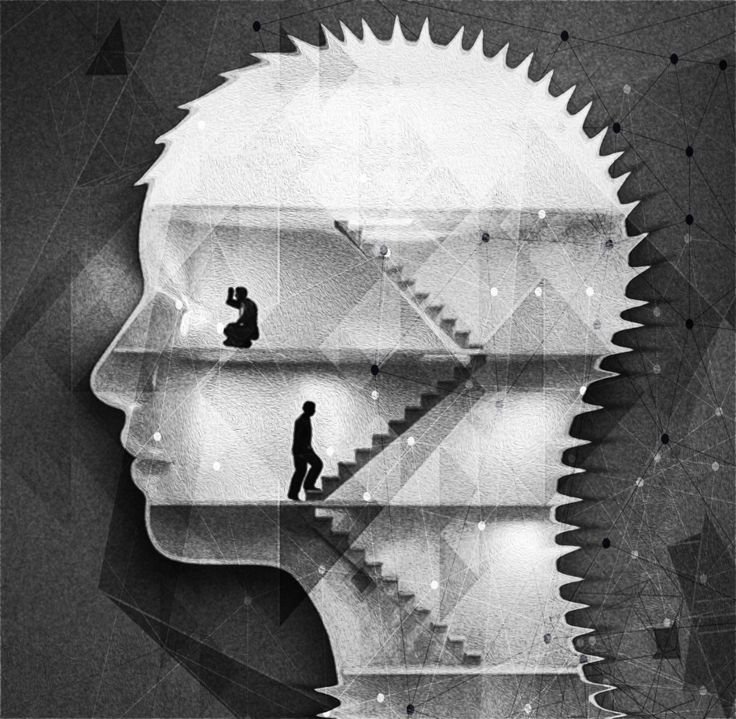
Memory disorders encompass a range of conditions that impair an individual’s ability to encode, store, and retrieve information. These disorders can significantly affect daily functioning and quality of life, making it essential to understand their underlying mechanisms. Advances in neuroscience have shed light on the biological and psychological aspects of memory disorders, offering insights into potential treatment strategies and interventions.
Types of Memory Disorders
Memory disorders can be classified into various categories, including amnesia, dementia, and Alzheimer’s disease. Amnesia refers to the inability to recall past experiences or form new memories, often resulting from brain injury or psychological trauma. Dementia encompasses a broader range of cognitive impairments, including memory loss, language difficulties, and impaired judgment.
Alzheimer’s disease is the most common form of dementia, characterized by progressive memory loss and cognitive decline. Research has identified several biological markers associated with Alzheimer’s, including the accumulation of amyloid plaques and tau tangles in the brain. Understanding these mechanisms is crucial for developing effective treatments and interventions.
The Psychological Impact of Memory Disorders
Beyond the biological underpinnings, memory disorders also have significant psychological implications. Individuals with memory disorders often experience frustration, anxiety, and depression as they grapple with their cognitive challenges. Caregivers and family members may also face emotional and practical difficulties in supporting their loved ones.
Effective communication and support strategies are essential for individuals with memory disorders. Creating structured environments, utilizing memory aids, and fostering social connections can enhance the quality of life for both patients and caregivers. Moreover, engaging in cognitive rehabilitation programs can provide individuals with strategies to cope with memory deficits and maintain independence.
To conclude, understanding memory disorders through the lens of neuroscience offers valuable insights into their underlying mechanisms and potential interventions. As research continues to explore the complexities of memory, it is essential to prioritize compassionate care and support for individuals affected by these conditions. By fostering awareness and understanding, society can work towards improving the quality of life for those living with memory disorders.

Betano e Flamengo! Huge partnership. Going to see what odds and promotions they have for Flamengo games. This is going to be good. betanoeflamengo
Heard a lot about hello88circle, finally gave it a go, and not disappointed. Great selection and a smooth experience overall. Worth a look if you’re shopping around. Visit them here: hello88circle
jl10 casino https://www.jl10-casino.net
jl16login https://www.adjl16login.net
fb777login https://www.fb777loginv.org
tayabet https://www.yetayabet.net
pesomaxfun https://www.elpesomaxfun.com
tayawin https://www.tayawinch.net
playpal77 https://www.playpal77sy.org
ph22login https://www.ph22login.org
ujzqyxrnnzgfehyenutzwjpwimyfzs
Điểm cộng lớn của asia slot365 nằm ở tính minh bạch trong mọi hoạt động. Kết quả trò chơi được cập nhật công khai, tỷ lệ cược rõ ràng, giúp người chơi dễ dàng kiểm soát và đưa ra chiến lược phù hợp. TONY02-21