



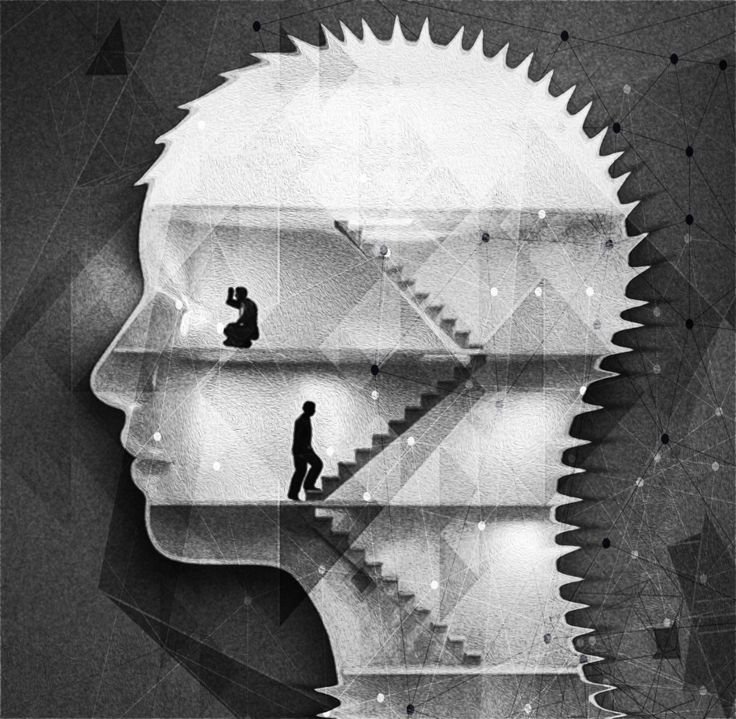
The Psychology of Stress: Understanding Its Impact on the Mind and Body

Stress, a ubiquitous aspect of modern life, has profound effects on both mental and physical well-being. Research in psychology has focused extensively on understanding how stress develops, how the body responds, and how individuals can manage it effectively. Stress can trigger adaptive behaviours in some cases, but when prolonged, it often leads to adverse health outcomes. Psychological research seeks to distinguish between positive stress (eustress) and harmful stress (distress), as well as explore various strategies to manage stress.
Theories of Stress Response
The General Adaptation Syndrome proposed by Hans Selye outlines the stages of the stress response: alarm, resistance, and exhaustion. Selye’s model has been foundational in stress research, laying the groundwork for how the body adapts to stressors. However, modern psychology has built upon this with a more nuanced understanding of how chronic stress influences physical health.
Lazarus and Folkman’s Cognitive Appraisal Theory argues that stress arises not from the events themselves but from individuals’ interpretations of those events. Research shows that the way people perceive and appraise situations determines whether they will experience stress and how intensely.
Stress and Its Biological Basis
At a biological level, the hypothalamic-pituitary-adrenal (HPA) axis plays a key role in regulating the body’s response to stress. Studies show that chronic activation of the HPA axis can lead to detrimental effects on the brain and body, including weakened immune function, heart disease, and mental health disorders such as depression and anxiety.
Neuroscientific research reveals that prolonged exposure to stress can shrink areas of the brain involved in emotional regulation and decision-making, such as the prefrontal cortex. The amygdala, responsible for detecting threats, becomes hyperactive under stress, contributing to heightened anxiety.
Coping Mechanisms and Stress Management
The field of psychology has explored various coping mechanisms for stress, from emotion-focused strategies such as relaxation techniques, to problem-focused approaches like time management and seeking solutions to stressors. Techniques such as mindfulness-based stress reduction (MBSR) and cognitive-behavioral therapy (CBT) have been found to reduce stress by helping individuals reframe negative thinking patterns and focus on the present moment.
77vipgame, huh? Sounds exclusive! Hope the payouts are VIP-level too. Worth a shot, right?. Check it out 77vipgame.
Downloaded the 55clubappregister. Registration was super easy. Hope the games are fun! Get yours here 55clubappregister
jl16login https://www.adjl16login.net
philbet https://www.philbetts.net
tg77com https://www.tg77com.org
ph22login https://www.ph22login.org
jilibet004 https://www.jilibet004.org