
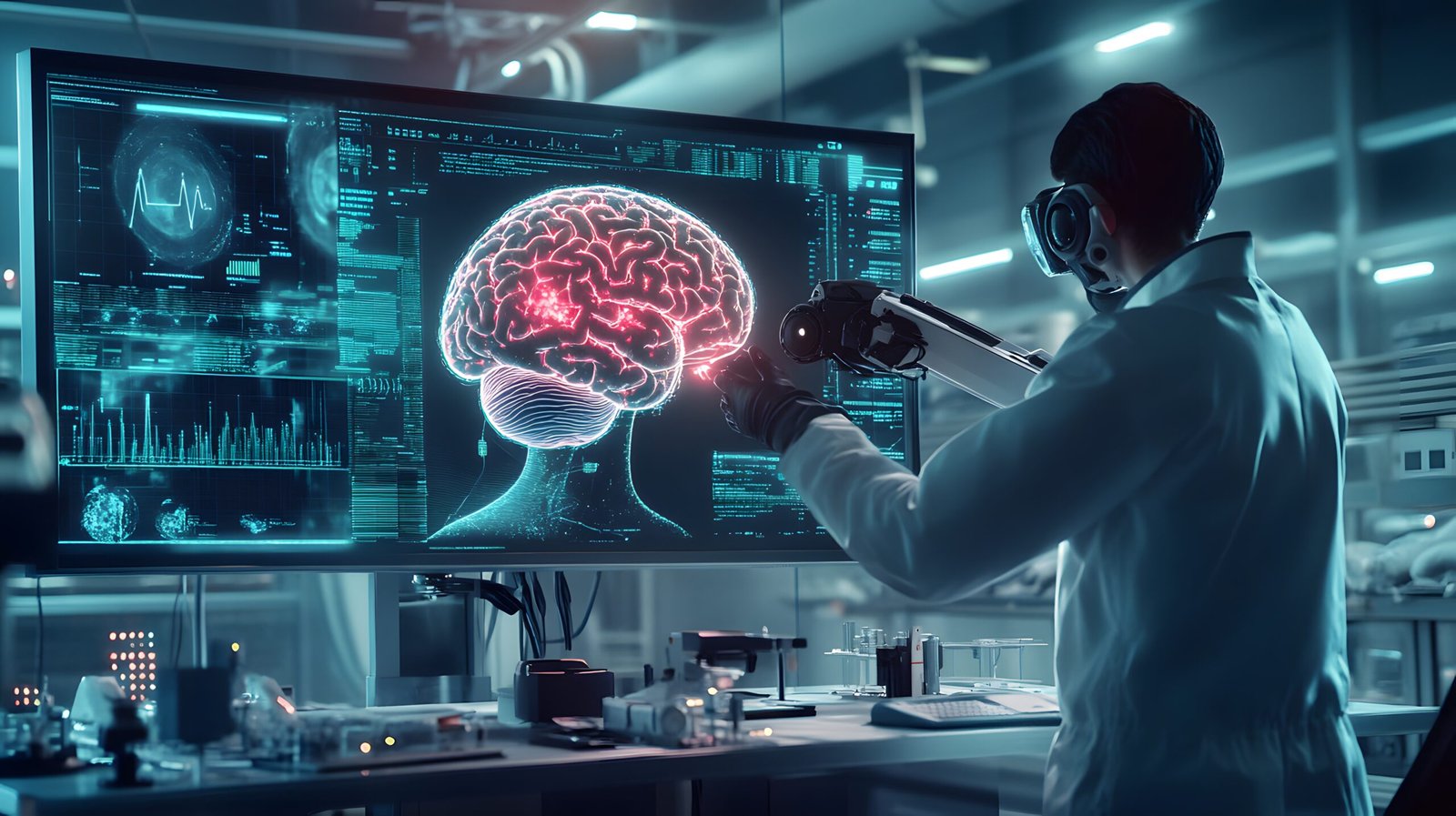


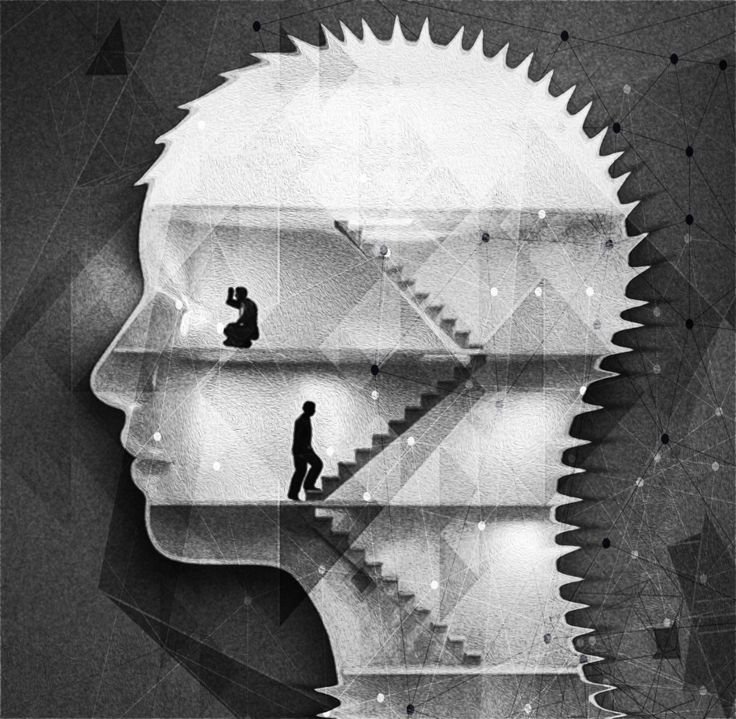
The Power of the Subconscious: Unlocking Hidden Potentials
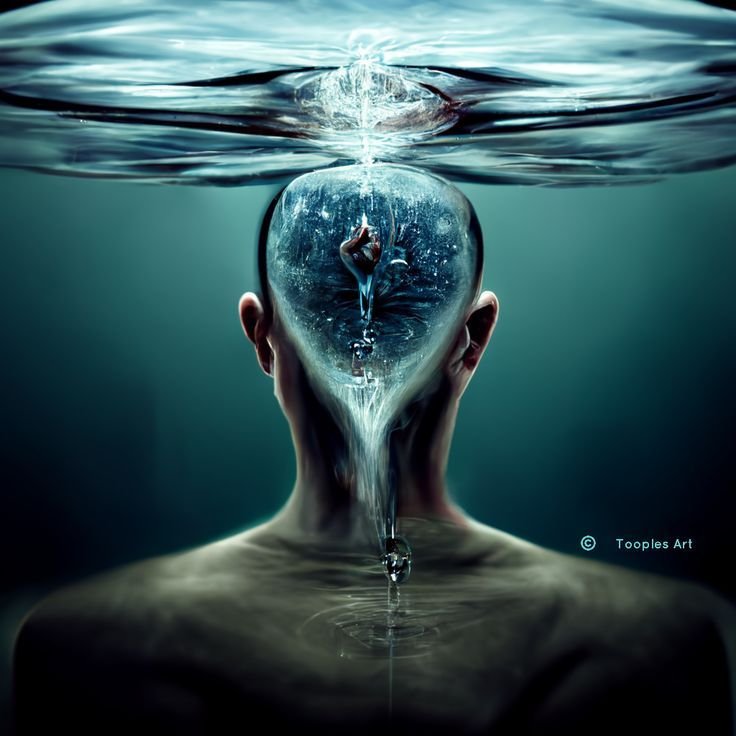
The subconscious mind is often regarded as a vast reservoir of untapped potential, housing thoughts, memories, and feelings that lie beneath our conscious awareness. While the conscious mind deals with immediate decision-making and rational thought, the subconscious operates in the background, influencing our behaviors, habits, and perceptions in ways we may not even realize. This article explores the powerful role of the subconscious, how it shapes our lives, and the growing interest in harnessing this hidden part of our minds for self-improvement and growth.
One of the most intriguing aspects of the subconscious mind is its ability to store vast amounts of information, much of which we are not actively aware of. Psychologists suggest that while the conscious mind can process only a limited amount of data at any given time, the subconscious mind handles a far larger volume of sensory inputs. For instance, when learning a new skill, such as driving or playing an instrument, the conscious mind is heavily engaged in the initial stages. But over time, as the skill becomes second nature, it is the subconscious that takes over, allowing the individual to perform the task with minimal conscious effort. This automatic processing is a testament to the incredible efficiency of the subconscious.
The subconscious is also responsible for many of our habits and behaviors. Repeated actions, thoughts, and experiences are stored in the subconscious, forming patterns that influence how we respond to situations in daily life. For example, a person who consistently wakes up early may do so without much thought because their subconscious has internalized the routine. Similarly, subconscious beliefs about oneself, whether positive or negative, can significantly shape behavior. Individuals who hold a subconscious belief in their abilities are more likely to approach challenges with confidence, whereas those with limiting beliefs may struggle to reach their full potential.
In the realm of self-improvement, there is growing interest in tapping into the power of the subconscious to create lasting change. Practices such as visualization, affirmations, and meditation are often used to reprogram the subconscious mind with new, positive beliefs. Visualization, in particular, has been shown to be effective in helping individuals achieve their goals. By vividly imagining success in a desired area—whether it be career, relationships, or personal development—the subconscious begins to accept these visualizations as reality. Over time, this process can influence thoughts, feelings, and actions, guiding individuals toward their goals with greater ease.
The notion that the subconscious mind can be programmed has sparked interest in the field of neuroplasticity—the brain’s ability to reorganize itself by forming new neural connections. Research suggests that repeated thoughts and behaviors can physically alter the structure of the brain, reinforcing neural pathways associated with certain habits or beliefs. By consciously directing thoughts toward desired outcomes and reinforcing these thoughts through repetition, it is possible to “rewire” the brain and create new subconscious patterns. This understanding of the brain’s plasticity underscores the importance of intentional thinking and the potential for growth.
While the subconscious mind holds immense power, it can also be the source of deep-seated fears and anxieties. Traumatic experiences, even those that may have been forgotten on a conscious level, can become embedded in the subconscious and manifest as emotional or physical symptoms later in life. This is why therapeutic approaches such as hypnotherapy and psychoanalysis often aim to access the subconscious mind in order to uncover and address unresolved issues. By bringing these hidden emotions to the surface, individuals can begin the process of healing and transformation.
One of the challenges of working with the subconscious is its subtle and elusive nature. Unlike the conscious mind, which operates through logic and reason, the subconscious is more closely aligned with emotions, instincts, and symbolic thinking. This is why dreams are often regarded as windows into the subconscious, as they can reveal hidden desires, fears, or unresolved conflicts in a symbolic form. Analyzing dreams can offer valuable insights into what the subconscious mind is trying to communicate.
Despite its elusive nature, there are practical ways to harness the power of the subconscious for personal growth. One such method is through the practice of mindfulness. By cultivating present-moment awareness and observing thoughts without judgment, individuals can gain a deeper understanding of their subconscious patterns. This awareness creates an opportunity for change, as it allows individuals to recognize limiting beliefs or negative habits that may have been operating below the surface. With this insight, they can consciously choose to adopt new, more empowering thoughts and behaviors.
Another approach to accessing the subconscious is through the use of positive affirmations. By repeating positive statements about oneself or desired outcomes, individuals can begin to shift their subconscious beliefs. For example, someone struggling with self-doubt might repeat affirmations such as “I am capable” or “I believe in myself” to counteract negative self-talk. Over time, these affirmations can become ingrained in the subconscious, leading to changes in both mindset and behavior.
However, it is important to acknowledge that changing subconscious patterns can take time and effort. Just as deeply ingrained habits or beliefs are not formed overnight, they cannot be changed instantaneously. Consistent practice, patience, and self-compassion are key when working with the subconscious mind. It is also crucial to approach the process with an open mind, as resistance or skepticism can hinder progress.
In recent years, the rise of neurotechnology has opened new possibilities for exploring and influencing the subconscious mind. Brainwave entrainment techniques, such as binaural beats and neurofeedback, are being used to help individuals achieve altered states of consciousness, where the subconscious mind becomes more receptive to suggestion. These technologies have the potential to accelerate the process of subconscious reprogramming and facilitate deep relaxation, creativity, and personal growth.
In conclusion, the subconscious mind is a powerful force that shapes our thoughts, behaviors, and perceptions in profound ways. By understanding its role and learning how to work with it, individuals can unlock hidden potentials, overcome limitations, and create positive changes in their lives. Whether through visualization, mindfulness, affirmations, or neurotechnology, the journey of exploring the subconscious is one of self-discovery and transformation. As research into the mind continues to evolve, the potential for harnessing the subconscious in ways previously unimaginable is becoming increasingly apparent.
m7k isn’t bad, it’s simple to use but I wish it had a more modern feel and more game variety. It could be better. Decide for yourself at m7k.
Looking for the Jilievo apk? Got it right here! Easy install and you’re good to go. Trust me, this is the way to play jilievo apk
gkbet https://www.gkbeth.org
phtaya11 https://www.phtaya11y.com
ph178 https://www.ph178.org
[1875]80jili Casino: Login, Register & App Download | Online Slots PH Experience top online slots at 80jili Casino! Register and login now for an easy app download and exclusive rewards. Join the #1 trusted betting platform in the PH. visit: 80jili