
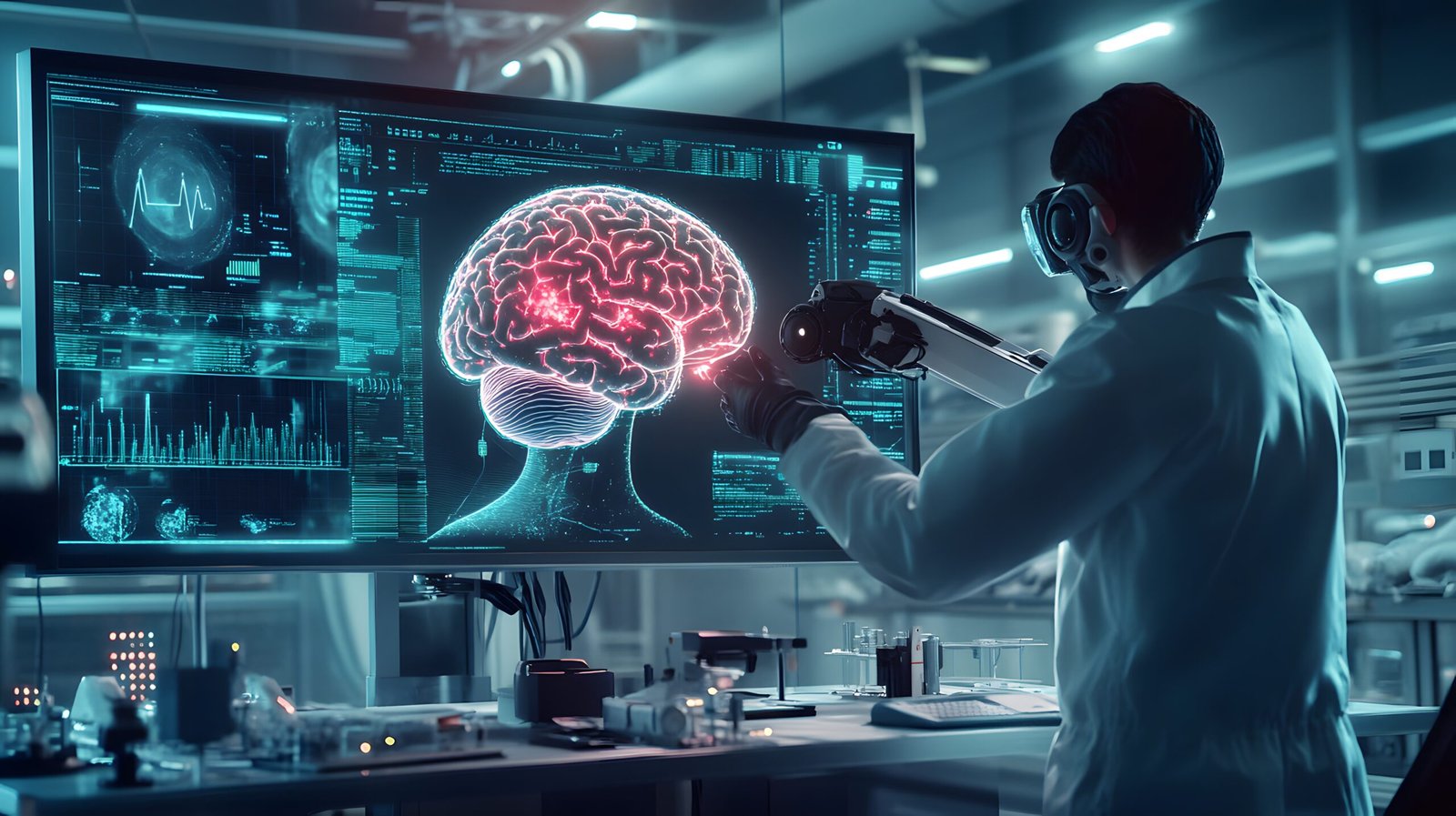


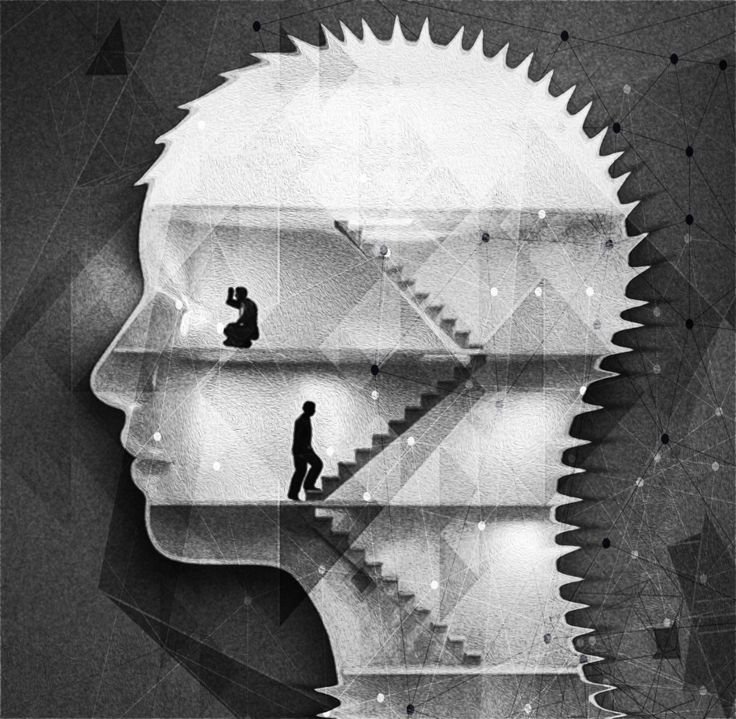
The Neuroscience of Addiction: Understanding the Brain’s Reward Pathways
Addiction is a complex and multifaceted condition that affects millions of people worldwide. At its core, addiction involves alterations in brain function, particularly within the brain’s reward pathways. Neuroscience has made significant strides in understanding the biological mechanisms underlying addiction, providing insights that could inform more effective treatment strategies. However, addiction also poses challenges related to stigma, treatment accessibility, and individual variability.
The Role of the Brain’s Reward System
The brain’s reward system is primarily regulated by the neurotransmitter dopamine, which plays a critical role in motivation, pleasure, and reinforcement. When individuals engage in activities that are rewarding—such as eating, socializing, or using drugs—the brain releases dopamine, reinforcing the behavior. In the case of addiction, substances like drugs or alcohol can hijack this reward system, leading to compulsive behavior and, ultimately, dependence.
Research has shown that repeated substance use can lead to changes in the brain’s structure and function. Over time, the brain may become less sensitive to natural rewards, leading individuals to seek out drugs or alcohol to achieve the same level of pleasure. This neuroadaptation can create a cycle of addiction that is challenging to break.
Challenges in Treating Addiction
While advances in neuroscience have provided valuable insights into the mechanisms of addiction, treating this condition remains a complex challenge. Factors such as genetics, environment, and co-occurring mental health disorders can influence an individual’s susceptibility to addiction and response to treatment. As a result, a one-size-fits-all approach is often ineffective.
Moreover, the stigma surrounding addiction can deter individuals from seeking help. Many people still view addiction as a moral failing rather than a medical condition, leading to discrimination and social isolation. Addressing these societal attitudes is crucial for improving access to treatment and support.
To conclusion, understanding the neuroscience of addiction is essential for developing effective treatment strategies and reducing the stigma associated with this condition. As research continues to unravel the complexities of addiction, a comprehensive approach that addresses both the biological and social aspects of this issue will be necessary. By fostering a greater understanding of addiction as a brain disease, society can work towards more compassionate and effective solutions.

Dlrbetcasinoonline hmm gave it a try. It’s another option. The games are OK. Why not have alook yourself: dlrbetcasinoonline
Hey guys, anyone in the Philippines looking for a slots app? I stumbled across philslotsapk.com. It’s a fun one! Worth checking out. Download philslotsapk today!
ph789 login https://www.ph789-login.com
93jili https://www.la93jili.net
2jili https://www.2jili.org
bk8casino https://www.bk8casinovs.com
slotphlogin https://www.exslotphlogin.net
777taya https://www.mr777taya.com
Không phải ngẫu nhiên mà 188V lại chiếm được lòng tin của nhiều người chơi đến vậy, để làm được điều này nhà cái đã không ngừng nỗ lực và cải thiện chất lượng dịch vụ của mình để mang lại những thứ tốt nhất dành cho người chơi. TONY01-26