


Neurostimulation: A Powerful Tool for Modulating Brain Activity
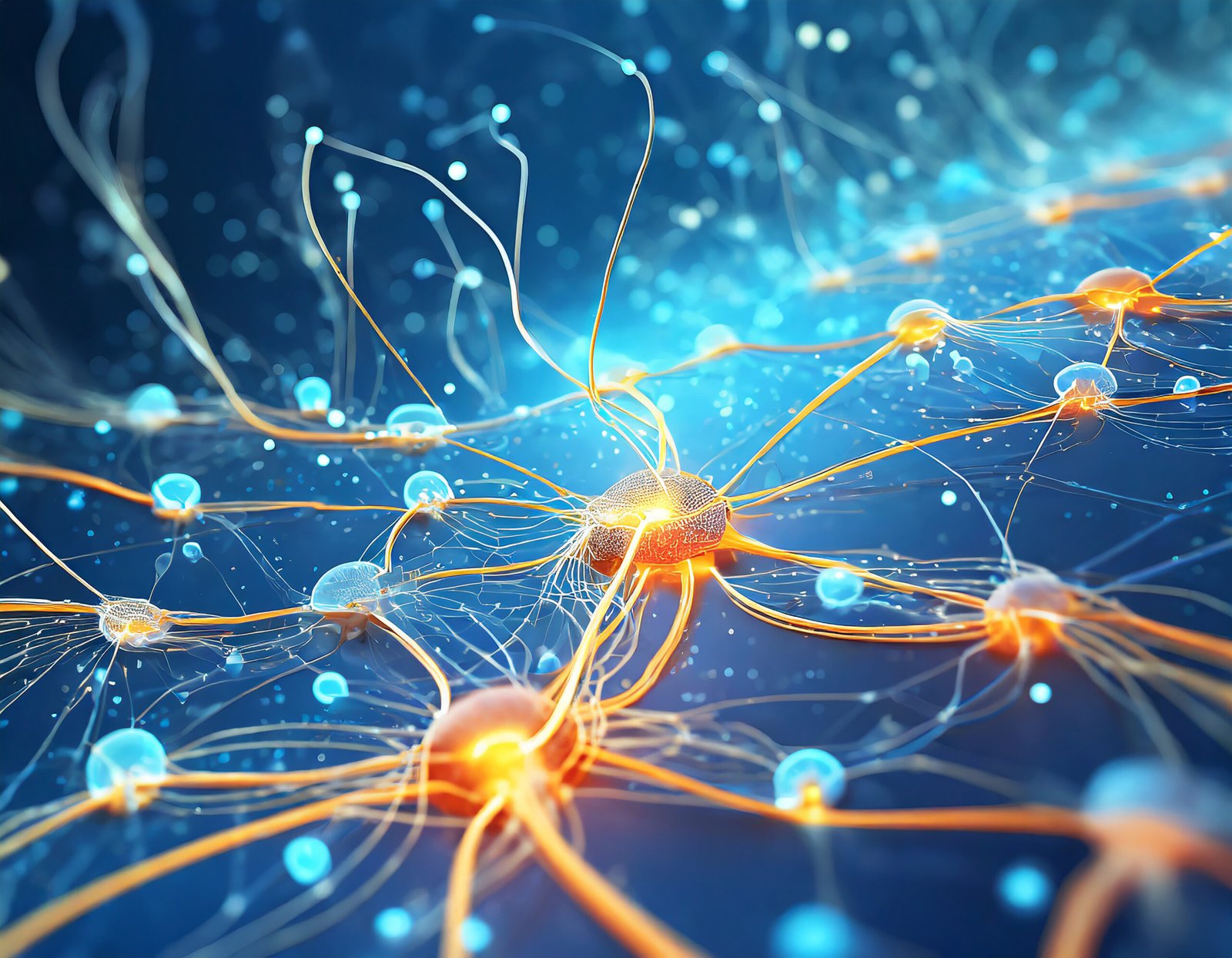
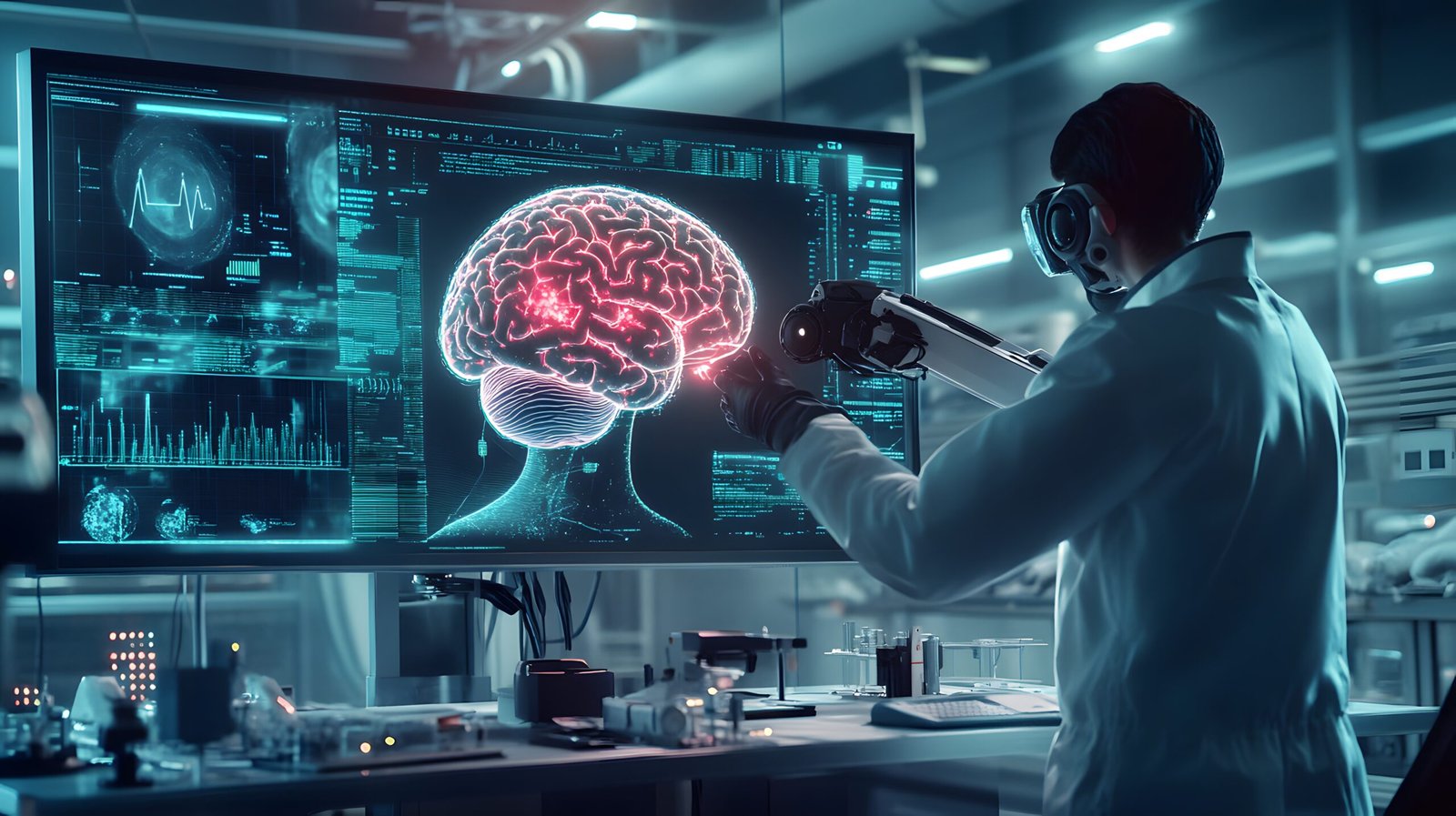
Neurostimulation represents a cutting-edge area within neurotechnology that involves the use of electrical impulses to modulate brain activity. By targeting specific brain regions, neurostimulation can influence mood, cognition, and behavior, offering therapeutic potential for various neurological and psychiatric disorders. This article delves into the mechanisms of neurostimulation, its applications across different fields, and the benefits and challenges associated with this innovative approach.
At the core of neurostimulation techniques lies the principle of inducing electrical activity in targeted areas of the brain. Various methods exist, including transcranial magnetic stimulation (TMS), deep brain stimulation (DBS), and transcranial direct current stimulation (tDCS). Each method employs different mechanisms to influence neural activity, but the overarching goal is to enhance or inhibit specific brain functions.
Transcranial magnetic stimulation (TMS) involves the application of magnetic fields to the scalp, inducing small electrical currents in the brain. TMS has gained recognition as a non-invasive treatment option for conditions such as depression and anxiety. Research indicates that repeated TMS sessions can lead to significant reductions in depressive symptoms, offering hope for individuals who have not responded to traditional therapies. The precise mechanisms by which TMS exerts its effects are still being investigated, but it is believed to modulate neural circuits involved in mood regulation.
Deep brain stimulation (DBS) is a more invasive approach that involves the implantation of electrodes in specific brain regions. Originally developed for the treatment of movement disorders such as Parkinson’s disease, DBS has expanded to include applications in psychiatric disorders like obsessive-compulsive disorder (OCD) and treatment-resistant depression. By delivering continuous electrical impulses, DBS can alter the activity of dysfunctional brain circuits, leading to significant symptom relief. However, the invasiveness of the procedure raises ethical considerations regarding patient selection and the long-term effects of implantation.
Transcranial direct current stimulation (tDCS) is a non-invasive technique that uses low electrical currents to modulate neuronal excitability. Unlike TMS, which targets specific areas, tDCS can affect broader regions of the brain. Studies have shown that tDCS can enhance cognitive performance, improve learning, and even promote recovery in individuals with brain injuries. While the mechanism of action is not fully understood, tDCS is thought to influence synaptic plasticity—the brain’s ability to adapt and change based on experiences.
The applications of neurostimulation extend beyond therapeutic interventions. Researchers are exploring its potential in cognitive enhancement and learning. For instance, tDCS has been investigated for its effects on working memory and problem-solving abilities. While early results are promising, it is important to approach cognitive enhancement with caution, considering ethical implications and the potential for misuse.
Despite the exciting prospects of neurostimulation, several challenges and limitations exist. One primary concern is the variability in individual responses to neurostimulation techniques. Factors such as genetics, brain structure, and baseline neural activity can influence how individuals respond to treatment. Ongoing research aims to identify predictors of success and tailor neurostimulation protocols to maximize effectiveness for different individuals.
The ethical implications of neurostimulation also warrant careful consideration. As these techniques become more widely available, questions arise regarding informed consent, the potential for coercion, and the risk of over-reliance on technology for mental health and cognitive enhancement. Ensuring that individuals are fully informed about the risks and benefits of neurostimulation is crucial to maintaining ethical standards in research and clinical practice.
Long-term effects of neurostimulation are another area of ongoing investigation. While many individuals report positive outcomes, questions remain about the sustainability of effects over time. Longitudinal studies are necessary to assess the long-term impact of neurostimulation on brain function and mental health, as well as the potential risks associated with repeated exposure to electrical stimulation.
The future of neurostimulation holds great promise, with ongoing advancements in technology and research. Innovations in electrode design, stimulation protocols, and machine learning will enhance the precision and adaptability of neurostimulation techniques. Furthermore, the integration of neurostimulation with other therapeutic modalities, such as psychotherapy or medication, may yield synergistic effects, optimizing treatment outcomes for individuals with mental health challenges.
As neurostimulation technology continues to evolve, the potential applications are vast. Beyond therapeutic interventions, neurostimulation may find roles in enhancing human performance in various domains, including sports, education, and creative pursuits. The intersection of neurostimulation with fields such as virtual reality and augmented reality may open new avenues for immersive experiences and learning.
In conclusion, neurostimulation represents a powerful tool in the realm of neurotechnology, offering the potential to modulate brain activity for therapeutic and cognitive enhancement purposes. With applications spanning neurological disorders, psychiatric conditions, and cognitive performance, neurostimulation holds the promise of transforming how individuals experience and interact with their minds. As research and technology continue to advance, the future of neurostimulation promises to unlock new possibilities for mental health, cognitive enhancement, and our understanding of the brain.
70win? Had some decent luck on it. Decent enough interface, easy to get around. Check out if it catches your interest: 70win.
Alright, listen up! Needed the Lotus365 on my Android. Scored the lotus365 apk no problem and it’s running like a charm. If you’re on Android, get that lotus365 apk!
https://www.91phcom.net I am thanksful for this post!
nustar online https://www.etnustar-online.com
playpal77 https://www.playpal77sy.org
pin77 online https://www.pin77-online.com
phtaya10 https://www.phtaya10y.com
98jili https://www.98jilig.com
93jili https://www.la93jili.net
Alright, 85kbetlogin! Gave it a whirl, and it’s pretty decent. Quick to load and easy to navigate. Definitely worth checking out if you’re looking for a new place to place your bets. Just remember to gamble responsibly, eh? 85kbetlogin
Right, 5555bet2… I’d say it’s not bad. Decently laid out and not too complicated. Could be worth a punt! Just keep a handle on your spending, yeah? 5555bet2
So, I gave aaabet1 a spin. It’s alright, could use a bit of a facelift design-wise, but navigation is pretty straightforward. Worth a look if you’re just getting started. Access it here: aaabet1