
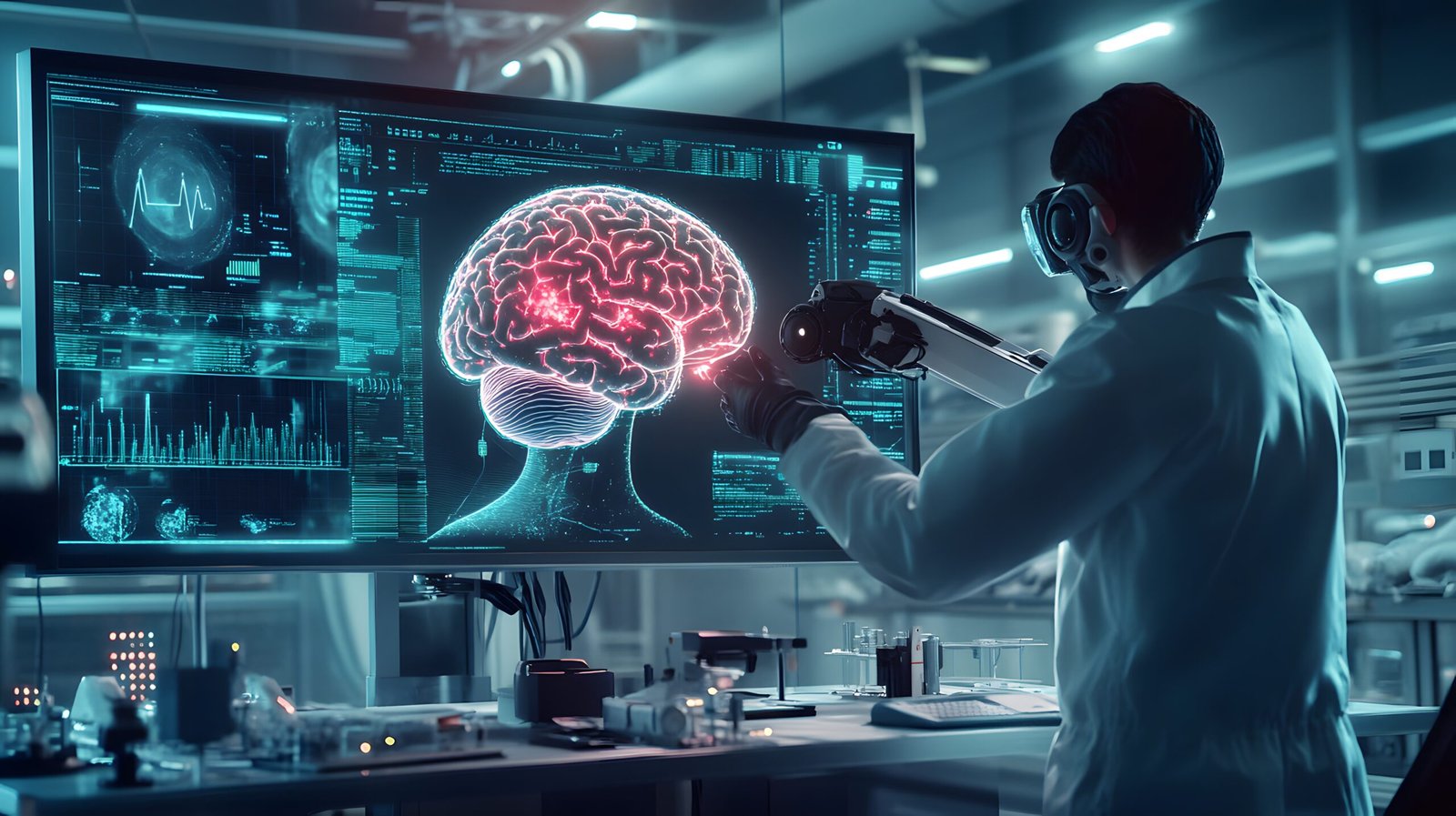


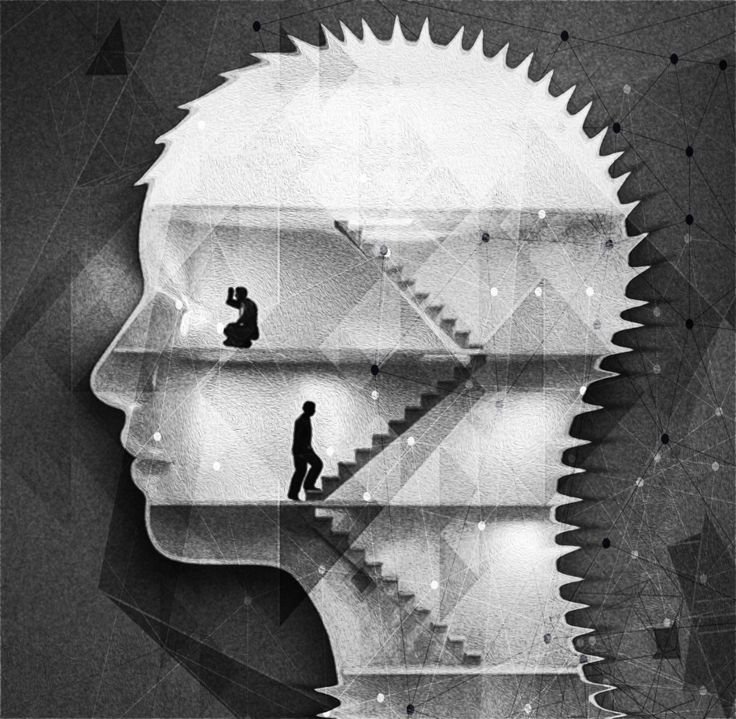
Neuroplasticity: The Mind’s Remarkable Ability to Adapt and Learn
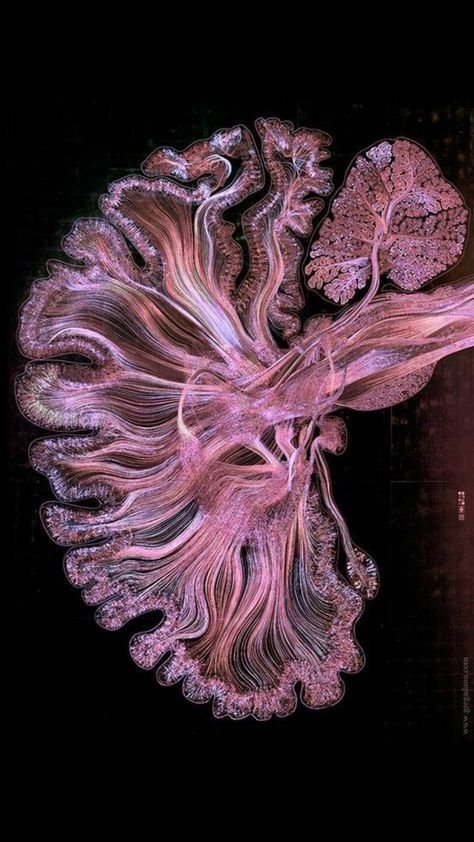
Neuroplasticity, the brain’s ability to reorganize itself by forming new neural connections throughout life, is a fundamental concept in understanding how learning and memory function. This remarkable capacity allows individuals to adapt to new experiences, learn new skills, and recover from injuries, illustrating the brain’s dynamic nature. As research into neuroplasticity deepens, it has become clear that this adaptability is not only crucial for personal development but also essential for fostering resilience and cognitive health.
At its core, neuroplasticity refers to the brain’s ability to change in response to experience. This process occurs at various levels, from cellular changes (involving individual neurons) to larger-scale changes in cortical maps, which represent the brain’s different functions. Neuroplasticity can be classified into two main types: structural plasticity and functional plasticity. Structural plasticity involves the physical changes in the brain’s structure, such as the growth of new neurons or the formation of new synapses, while functional plasticity refers to the brain’s ability to move functions from damaged areas to undamaged areas.
The implications of neuroplasticity for learning are profound. When individuals engage in learning activities—whether it be acquiring a new language, mastering a musical instrument, or developing a new skill—their brains undergo changes that support these new capabilities. For instance, studies have shown that musicians exhibit increased gray matter volume in areas of the brain associated with auditory processing and motor control. This change reflects the brain’s adaptation to the demands of musical training, highlighting the role of practice in shaping neural connections.
Moreover, neuroplasticity plays a crucial role in memory formation. The process of encoding memories involves the strengthening of synaptic connections between neurons. When individuals learn new information, synapses are reinforced, making it easier for neurons to communicate with one another. This synaptic plasticity is often described through the concept of long-term potentiation (LTP), a process whereby repeated stimulation of a synapse enhances the strength of that synapse, facilitating memory storage.
Interestingly, neuroplasticity is not limited to positive experiences. Adverse experiences, such as trauma or chronic stress, can also lead to changes in brain structure and function. Chronic stress, for example, can lead to the atrophy of dendrites in the hippocampus, a critical area for memory and learning. Understanding how negative experiences can impact neuroplasticity underscores the importance of creating supportive environments that promote positive learning experiences.
The potential for neuroplasticity also extends to recovery from brain injuries. Rehabilitation programs for individuals who have suffered strokes or traumatic brain injuries often leverage the principles of neuroplasticity to encourage recovery. Through targeted therapies and exercises, individuals can re-establish neural pathways and regain lost functions. This adaptability showcases the brain’s resilience and highlights the importance of intervention in the recovery process.
In educational contexts, the principles of neuroplasticity have profound implications for teaching and learning strategies. Educators can create environments that foster neuroplastic changes by implementing active learning techniques, promoting collaboration, and encouraging exploration. By engaging students in hands-on activities, discussions, and problem-solving, educators can stimulate neural connections and enhance the learning process. This approach not only facilitates knowledge retention but also empowers students to develop critical thinking and creativity.
Furthermore, neuroplasticity emphasizes the importance of lifelong learning. The brain remains capable of change throughout life, and engaging in continuous learning can promote cognitive health and resilience as individuals age. Lifelong learners who seek out new experiences and challenges may find that they can maintain cognitive function and memory capabilities well into their later years. This insight reinforces the notion that learning is not confined to the classroom; rather, it is a lifelong journey that can enhance quality of life.
As the understanding of neuroplasticity continues to evolve, researchers are exploring innovative interventions that harness this adaptability. For instance, mindfulness practices, as discussed in earlier articles, have been shown to promote neuroplastic changes that enhance cognitive function. Additionally, cognitive training programs designed to challenge and stimulate the brain are gaining popularity as tools for improving memory and learning.
However, it is essential to recognize that while neuroplasticity offers remarkable potential, it is not a guarantee of improvement. Factors such as genetics, environmental influences, and individual motivation can all impact the extent to which neuroplastic changes occur. As such, creating supportive environments and fostering a growth mindset are critical components in maximizing the benefits of neuroplasticity.
In conclusion, neuroplasticity represents the mind’s incredible ability to adapt and learn. By understanding the mechanisms underlying this process, individuals can leverage the principles of neuroplasticity to enhance their learning experiences and memory capabilities. Whether through education, rehabilitation, or personal growth, the potential for change and improvement is inherent in the human brain. As research continues to unveil the intricacies of neuroplasticity, individuals will be better equipped to harness its power for lifelong learning and cognitive resilience.

cf789casino is where it’s at! The selection of games is huge, and I’ve had some pretty sweet wins. Easy to navigate and a good vibe overall. Ready to roll the dice? Head over to cf789casino
Anyone played on jiliwincom lately? Curious about the payouts. Hit a small win today so far, fingers crossed for more! Check it out for yourself jiliwincom
slotphlogin https://www.exslotphlogin.net
phl789 https://www.nphl789.net
99boncasino https://www.99boncasino.net
jilibet004 https://www.jilibet004.org
ph567 Online Casino: The Best Legit Gambling Site in the Philippines with Slot Games & Easy GCash Login. Experience ph567 Online Casino, the best legit gambling site in the Philippines. Enjoy top-tier ph567 slot games with a seamless ph567 login gcash experience. Join the #1 legit online casino Philippines today for premium gaming, big wins, and secure payouts! visit: ph567
Keep hearing whispers about WinVNapp. Time to check it out I think! Download it here: winvnapp
Heard some good things about GO88X so I am giving them a chance. Here is the link to play: go88x.bet
Trying to get the okbet app downloaded. Anyone know if the link is legit or if there are any tricks to it? Help a bro out! okbet app download
шумоизоляция арок авто
шиномонтаж выездной москва рядом со мной
Приветствую! На первом этапе нужно разобраться — проблемы с крышей МКД. Суть в том, что: ЖЭК не справляется — нужны профессионалы. Могу рекомендовать: установка мембранной кровли. Как правило крыши многоэтажек — давно требуют замены. Например ремонтировать рубероид смысла нет — соответственно пора ставить мембрану. Основные этапы: выбрать подрядчика. Что в итоге: удаётся достигать классных результатов — протечек больше нет.
шумоизоляция авто https://vikar-auto.ru