


Neuroplasticity: How the Brain Rewires Itself

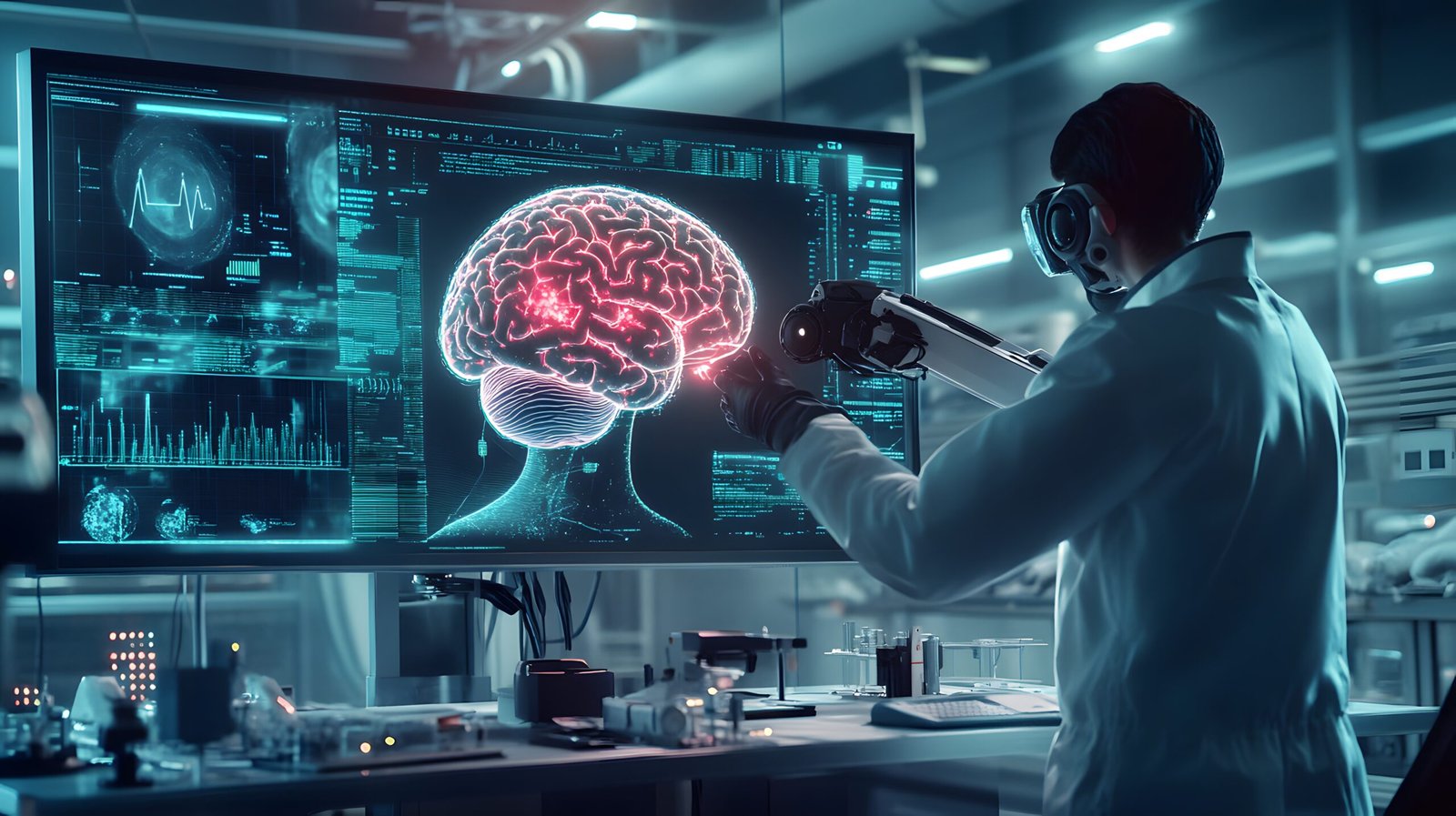
Neuroplasticity is one of the most fascinating discoveries in the study of the brain, revealing its capacity to reorganize itself by forming new neural connections. It challenges the long-held belief that the brain becomes “fixed” after a certain age, offering a more dynamic view of how humans can adapt, learn, and even recover from injuries. While neuroplasticity opens up a world of possibilities, it also has limitations and potential downsides. This article explores both the positive aspects and challenges of this concept, focusing on recent research and its implications for health, education, and personal development.
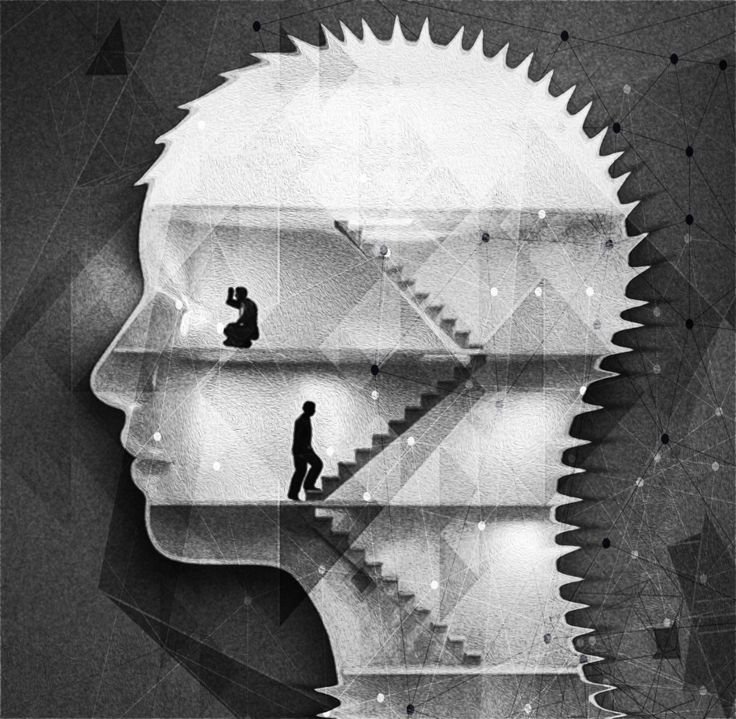
At its core, neuroplasticity refers to the brain’s ability to adapt by reorganizing its structure, function, or connections in response to experiences, learning, or damage. This plasticity allows neurons to form new synaptic connections, which strengthen or weaken depending on use. Essentially, the brain is continuously “rewiring” itself, creating pathways based on learning or new skills.
Neuroplasticity occurs throughout life, though it is more pronounced in childhood when the brain is particularly malleable. Children can pick up languages or motor skills at an impressive rate because their brains are naturally wired for rapid learning and adaptation. However, research has shown that adults, too, can benefit from neuroplasticity. Learning new skills, engaging in mentally stimulating activities, or recovering from trauma all stimulate changes in the brain’s structure, even in later years.
This ability to change also has its downsides. Neuroplasticity can lead to negative adaptations, reinforcing harmful habits or patterns of behaviour. For instance, when an individual experiences trauma or stress, certain neural pathways may become overly reinforced, making it harder to shift away from destructive thought patterns or behaviours. Thus, neuroplasticity is a powerful but neutral force—it can work for or against an individual depending on how it’s harnessed.
The potential benefits of neuroplasticity are perhaps most visible in the fields of rehabilitation, education, and personal development. Research into stroke recovery has demonstrated remarkable outcomes by utilizing neuroplasticity. In cases where brain damage results in loss of motor functions, intensive therapy has been shown to encourage other parts of the brain to take over the functions that were once controlled by the damaged regions.
One well-known example is the work of Dr. Edward Taub, who developed a therapy called constraint-induced movement therapy (CIMT). This technique requires stroke patients to restrict the use of their unaffected limbs, forcing the brain to rewire itself to regain control over the impaired limb. The success of this therapy has highlighted the potential of neuroplasticity in helping patients recover, even long after the initial injury occurred.
In education, neuroplasticity supports the idea that the brain can develop new abilities through practice and effort, a concept popularized by the “growth mindset.” Neuroscientific research has shown that when students believe intelligence can be improved, they are more likely to engage in learning activities and persist through challenges. This attitude encourages the brain to form stronger neural connections related to problem-solving, creativity, and critical thinking.
Furthermore, neuroplasticity plays a significant role in cognitive therapy, where individuals learn to replace negative thought patterns with more positive, adaptive ways of thinking. By regularly practising these new mental habits, the brain can gradually rewire itself to support improved mental health and resilience.
However, not all aspects of neuroplasticity are beneficial. One of the most concerning areas where neuroplasticity can have a negative impact is addiction. Studies have shown that the brain’s reward pathways can become “hijacked” by addictive substances or behaviours. As these pathways strengthen, individuals find it increasingly difficult to resist the pull of addiction, even when they are aware of the negative consequences.
In this case, neuroplasticity works against the individual, reinforcing cravings and compulsive behaviours. The more the brain is exposed to the addictive substance, the more these pathways solidify, creating an almost automatic response to certain triggers. Overcoming addiction often requires not only behavioural changes but a rewiring of these deep-rooted neural connections, which can take years of effort and support.
Additionally, there is the phenomenon known as maladaptive plasticity, where the brain forms new connections in response to injury or loss, but these changes result in negative outcomes. Phantom limb syndrome is one example, where individuals experience pain or sensations in a limb that has been amputated. In this case, the brain’s attempt to reorganize itself has gone awry, leading to discomfort or distress.
Even more subtle forms of maladaptive plasticity can occur in everyday life. Repetitive negative thought patterns, such as those found in individuals with anxiety or depression, may become ingrained over time, making it difficult to break free from cycles of worry or hopelessness. The brain’s adaptability, while a source of strength, can also become a source of suffering if not properly managed.
The Reality Behind Neuroplasticity Hype
In recent years, neuroplasticity has garnered widespread attention in both scientific and popular culture. The idea that individuals can “train” their brains to improve memory, boost cognitive abilities, or even delay the effects of ageing has fueled the rise of brain-training apps, workshops, and self-help books. While some of these tools have merit, many neuroscientists caution against oversimplifying or overstating the potential of neuroplasticity.
One of the most vocal critics of this trend is Dr. Alvaro Pascual-Leone, a neurologist and expert on neuroplasticity. He points out that while the brain’s ability to adapt is remarkable, it has limits. For instance, severe brain injuries or degenerative diseases like Alzheimer’s may not be fully reversible through neuroplasticity alone. Moreover, the extent to which the brain can “rewire” itself is influenced by age, genetics, and the specific challenges an individual faces.
Many brain-training programs claim to enhance cognitive function, but scientific research on their long-term efficacy is mixed. While some studies show that certain types of mental exercises can improve specific cognitive skills, these improvements do not always transfer to broader life activities. For example, a game designed to improve memory might help an individual remember sequences in the game itself, but it may not necessarily make a significant difference in day-to-day memory tasks.
That being said, neuroplasticity does offer genuine hope for individuals dealing with conditions like depression, anxiety, and brain injury recovery. The key is to have realistic expectations and to approach neuroplasticity as a process that requires time, effort, and the right kind of interventions. Quick fixes or exaggerated claims may lead to disappointment or even exploitation of those who are desperate for solutions.
Neuroplasticity is undoubtedly one of the most exciting and transformative discoveries in neuroscience. It challenges old assumptions about the brain’s limitations, showing that people are capable of change, growth, and recovery throughout their lives. Whether through rehabilitation, learning, or therapy, the brain’s ability to rewire itself opens up new possibilities for personal and societal advancement.
However, as with any powerful tool, neuroplasticity must be approached with caution. While the brain’s adaptability can lead to recovery and improvement, it can also reinforce harmful behaviours and thought patterns. Understanding both the benefits and the risks of neuroplasticity allows for a more balanced perspective on its role in human development.
As research continues to advance, it becomes clear that neuroplasticity is not a one-size-fits-all solution but a nuanced and complex process. The brain’s potential for change remains one of its greatest assets, but it must be understood within the broader context of biology, environment, and individual effort.

Well well well, If it isn’t 777pnllogin. I would recommend everyone to play here! Find it here 777pnllogin.
Trying out 355bet2 tonight. Fingers crossed for some wins! Good luck to all of us! Join the fun at 355bet2
https://www.elpesomaxfun.com I am thanksful for this post!
pagcor https://www.ngpagcor.net
ph789 login https://www.ph789-login.com
okbet15 https://www.okbet15.org
2222ph https://www.be2222ph.org
ug7771 https://www.ug7771.org
Maxgaming Philippines: Experience the best online casino Philippines with secure login and fast GCash payouts. Experience the ultimate thrill at Maxgaming Philippines, the best online casino Philippines. Access a secure Maxgaming login to explore top-tier Philippines online gambling options and enjoy lightning-fast GCash casino Philippines payouts. Join today for a safe, reliable, and premium gaming experience tailored for Filipino players. visit: maxgaming
[2005]Newjili Online Casino: Login, Register & App Download for Slots Join Newjili Online Casino, the top choice for slots in the Philippines! Register today for easy login, fast app download, and big wins. Start your journey now! visit: newjili