


Brain-Computer Interfaces: Bridging the Gap Between Mind and Machine
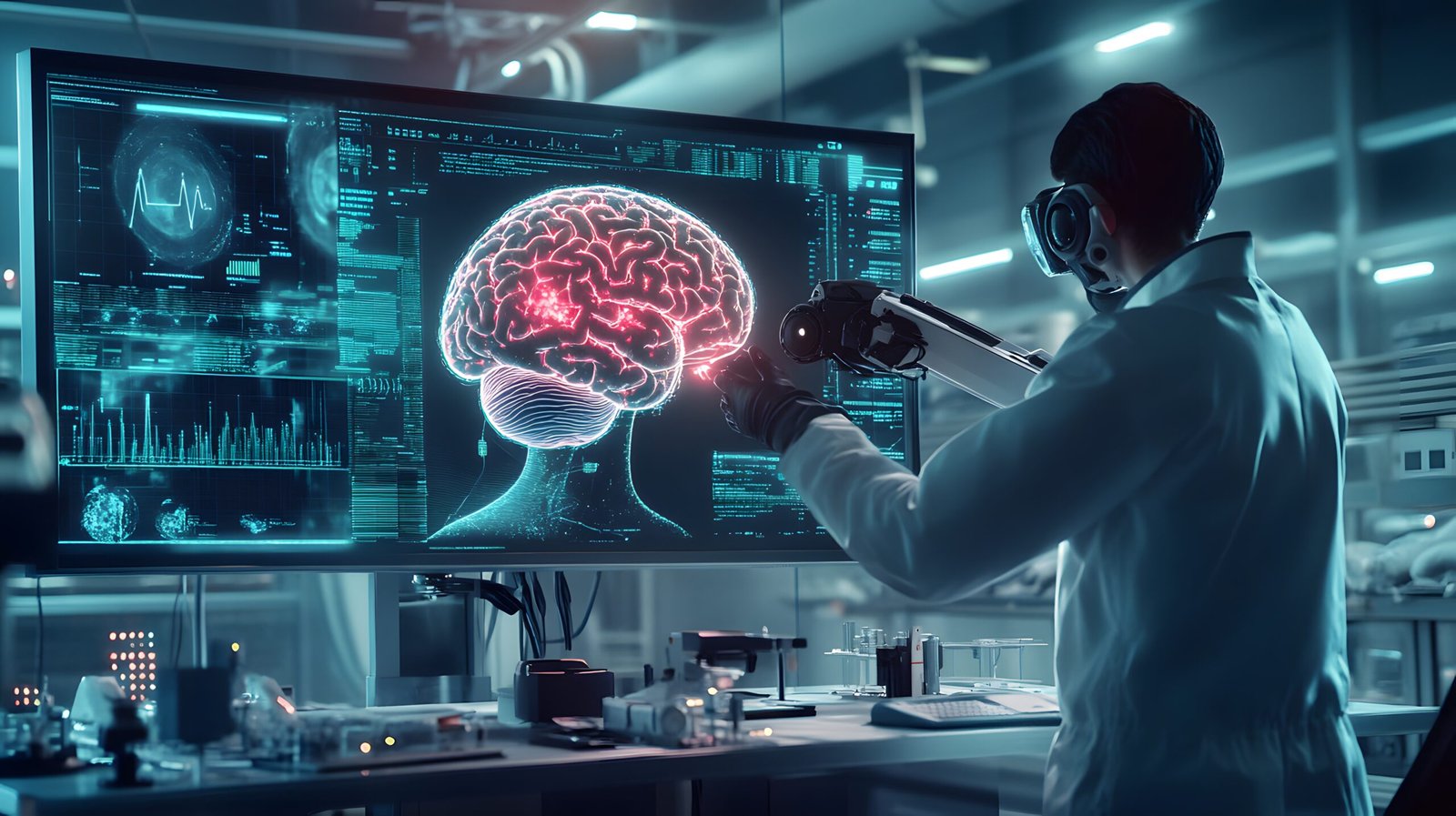
In the rapidly advancing field of neurotechnology, brain-computer interfaces (BCIs) stand out as one of the most innovative developments. These remarkable systems establish a direct communication pathway between the brain and external devices, enabling individuals to control technology using their thoughts. This technology has profound implications for various sectors, including healthcare, gaming, and assistive technology, showcasing the potential of harnessing brain activity to enhance human capabilities.
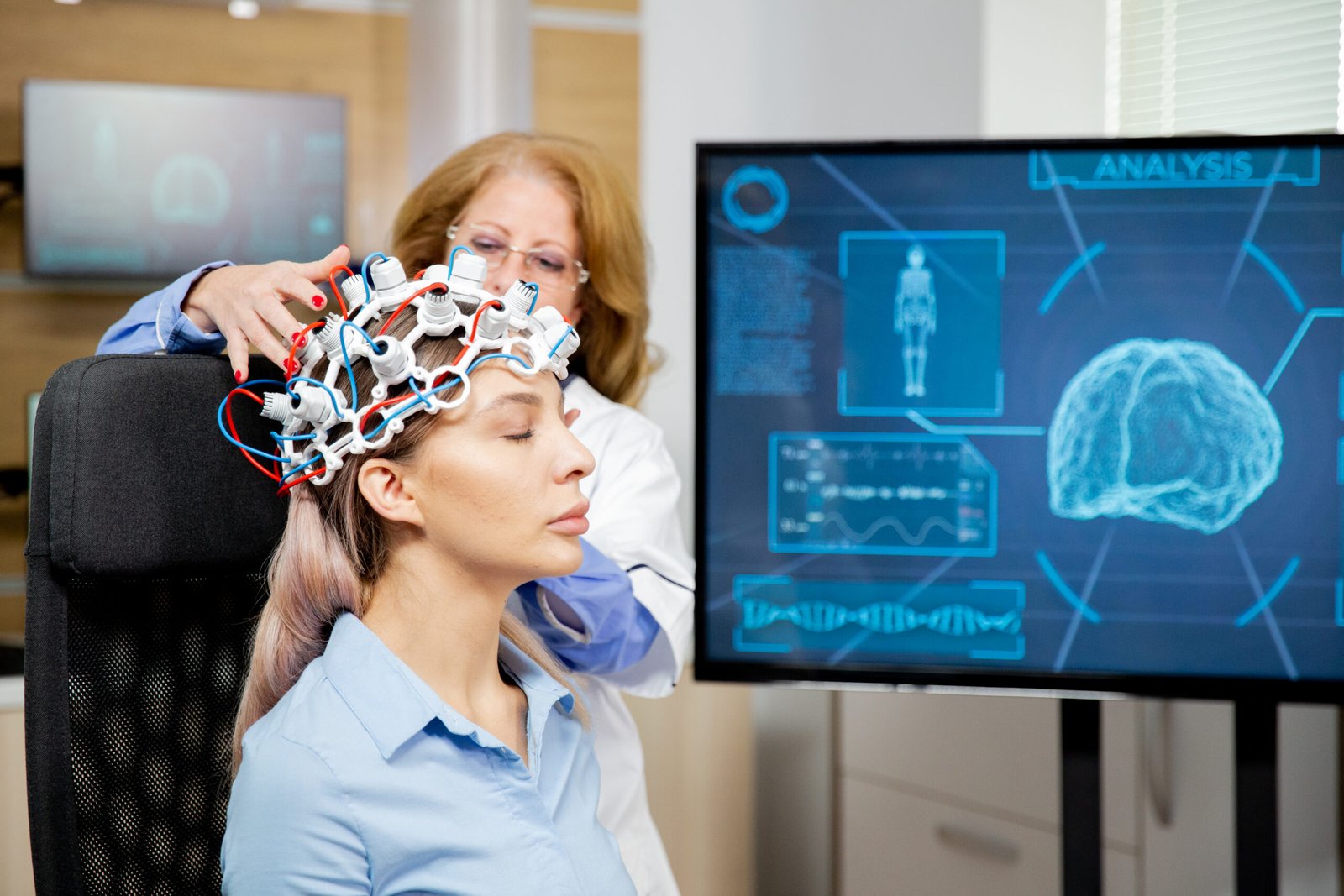
At the core of BCIs is the ability to interpret neural signals, which are generated by the brain’s electrical activity. By using electrodes placed on the scalp or implanted within the brain, BCIs can capture these signals and translate them into commands for external devices. This technology has proven particularly valuable for individuals with disabilities, allowing them to regain independence and improve their quality of life. For instance, individuals with motor impairments can control prosthetic limbs or wheelchairs through thought alone, representing a significant leap forward in assistive technology.
Research in BCI technology has advanced rapidly in recent years. One notable example is the development of systems that utilize electroencephalography (EEG) to measure brain activity. EEG-based BCIs have been employed in various applications, including communication aids for individuals with locked-in syndrome, where patients are unable to speak or move but retain cognitive function. By detecting specific patterns of brain activity, these systems allow users to select letters or words on a screen, enabling them to communicate effectively.
In addition to healthcare applications, BCIs have captured the imagination of the gaming industry. Game developers are exploring ways to integrate BCI technology into gaming experiences, allowing players to control in-game actions with their thoughts. This innovation could revolutionize the gaming landscape, offering immersive experiences that blur the lines between reality and virtual worlds. However, the integration of BCIs into gaming raises ethical questions about privacy, consent, and the implications of manipulating brain activity for entertainment purposes.
The potential of BCIs extends beyond individual users to broader applications in society. In research settings, scientists are using BCIs to study brain function and neural connectivity. By analyzing how different brain regions communicate during various tasks, researchers can gain insights into cognitive processes, memory, and learning. This knowledge can inform the development of targeted interventions for cognitive impairments, such as Alzheimer’s disease and other forms of dementia.
Despite the promising advancements, BCI technology is still in its infancy, and challenges remain. One significant hurdle is the need for accurate signal interpretation. Brain signals can be noisy and difficult to decipher, leading to potential errors in device control. Researchers are actively working on improving algorithms that can enhance the accuracy and reliability of BCI systems, paving the way for more seamless user experiences.
Ethical considerations also play a crucial role in the development of BCIs. As the technology evolves, questions surrounding consent, data privacy, and the potential for misuse arise. Safeguarding users’ neural data and ensuring that individuals retain control over their brain-computer interactions is paramount. Establishing ethical frameworks and guidelines for BCI research and application will be essential to navigate these complex issues.
Looking ahead, the future of brain-computer interfaces is filled with possibilities. As research continues to unveil the intricacies of the brain, BCIs may evolve into more sophisticated systems capable of decoding complex thoughts and emotions. The integration of artificial intelligence (AI) into BCI technology holds the potential to enhance signal processing, enabling devices to learn from users’ intentions over time. This synergy could lead to BCIs that adapt to individual preferences, providing personalized experiences.
In conclusion, brain-computer interfaces represent a groundbreaking frontier in neurotechnology, bridging the gap between mind and machine. By enabling direct communication between the brain and external devices, BCIs have the potential to transform healthcare, gaming, and research. As advancements continue and ethical considerations are addressed, the promise of BCIs to enhance human capabilities and improve quality of life is poised to become a reality.
Yo, 786game is giving some interesting vibes. Gave it a shot and its quite fun! Check them out when you have a chance 786game.
Okay, so I was trying to get my Nesine login to work and stumbled across this site. Seems legit and helped me out. nesine giriş
888slot app có mục “Review từ thành viên” – chia sẻ trải nghiệm thật từ người chơi, giúp bạn có cái nhìn đa chiều trước khi quyết định tham gia. TONY01-12
mwplay88fun https://www.mwplay88fun.org
balato88 https://www.balato88u.com
ph789 login https://www.ph789-login.com
okebet3 https://www.okebet3u.org
pin77 online https://www.pin77-online.com
tg77com https://www.tg77com.org
tayabet https://www.yetayabet.net
ph22login https://www.ph22login.org
jilibet777 https://www.lijilibet777.com
[7389]eejl Official Casino Philippines: Experience top eejl slot games with fast eejl login, easy register, and seamless eejl app download. Join eejl Official Casino Philippines for top eejl slot games. Experience fast eejl login, easy eejl register, and a seamless eejl app download. Play and win today! visit: eejl
slik-vinner-du-kasinoet-med-roulette
My web-site – spins
300-deposit-bonus
Here is my web page Craps
luckiest-casino-in-united-kingdom
My website – strategies (Ambrose)
popular-pokies-payout-methods
Feel free to visit my web page: royal
Kho game tại slot365 được phân loại theo chủ đề, nhà phát hành, mức cược và mức độ phổ biến – giúp bạn dễ dàng tìm được slot phù hợp với tâm trạng và ngân sách hiện tại. TONY02-25O
maastricht-casino-100-free-spins
Here is my blog slots [Nelly]