


Brain-Computer Interfaces: Bridging the Gap Between Mind and Machine
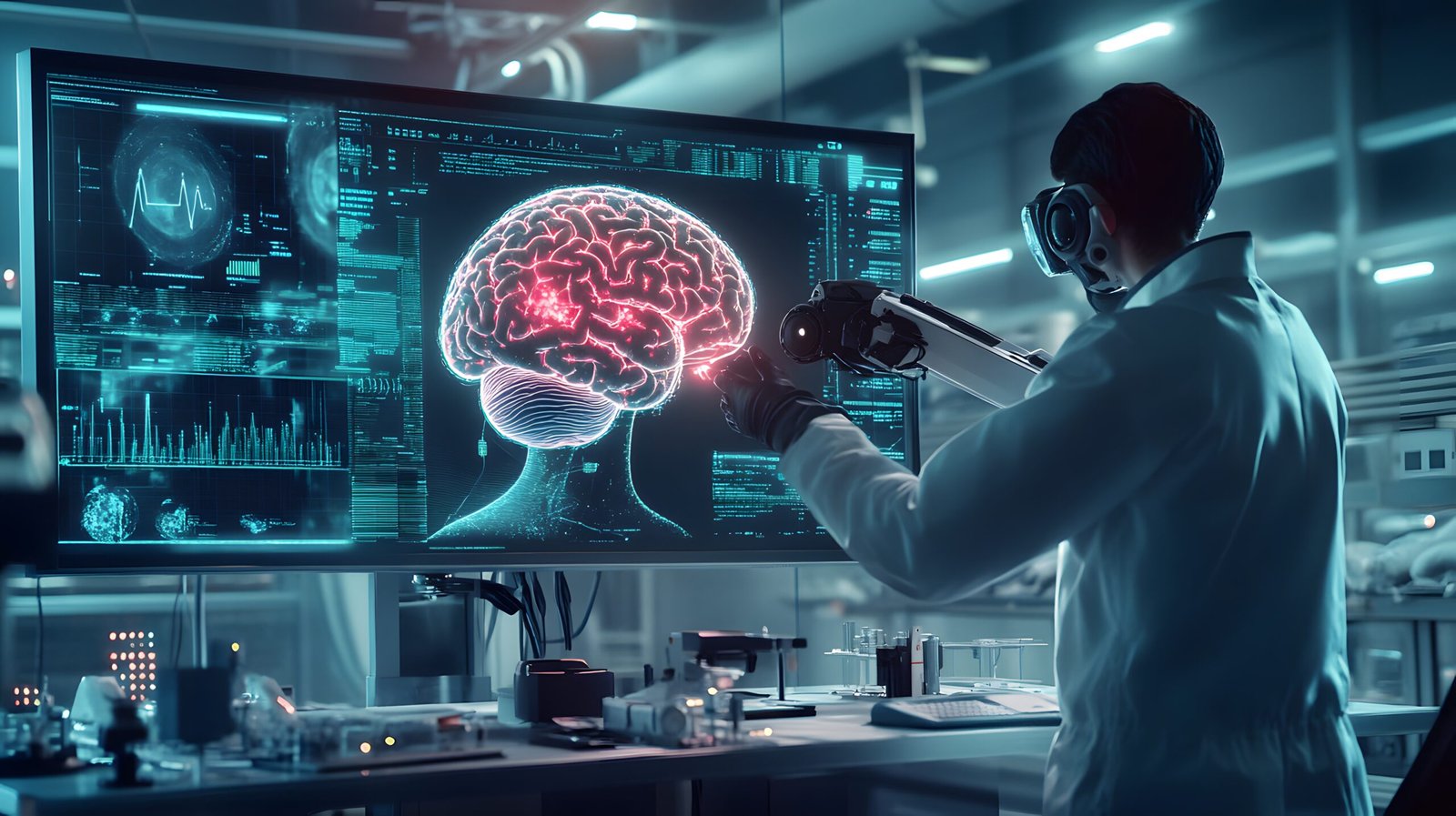
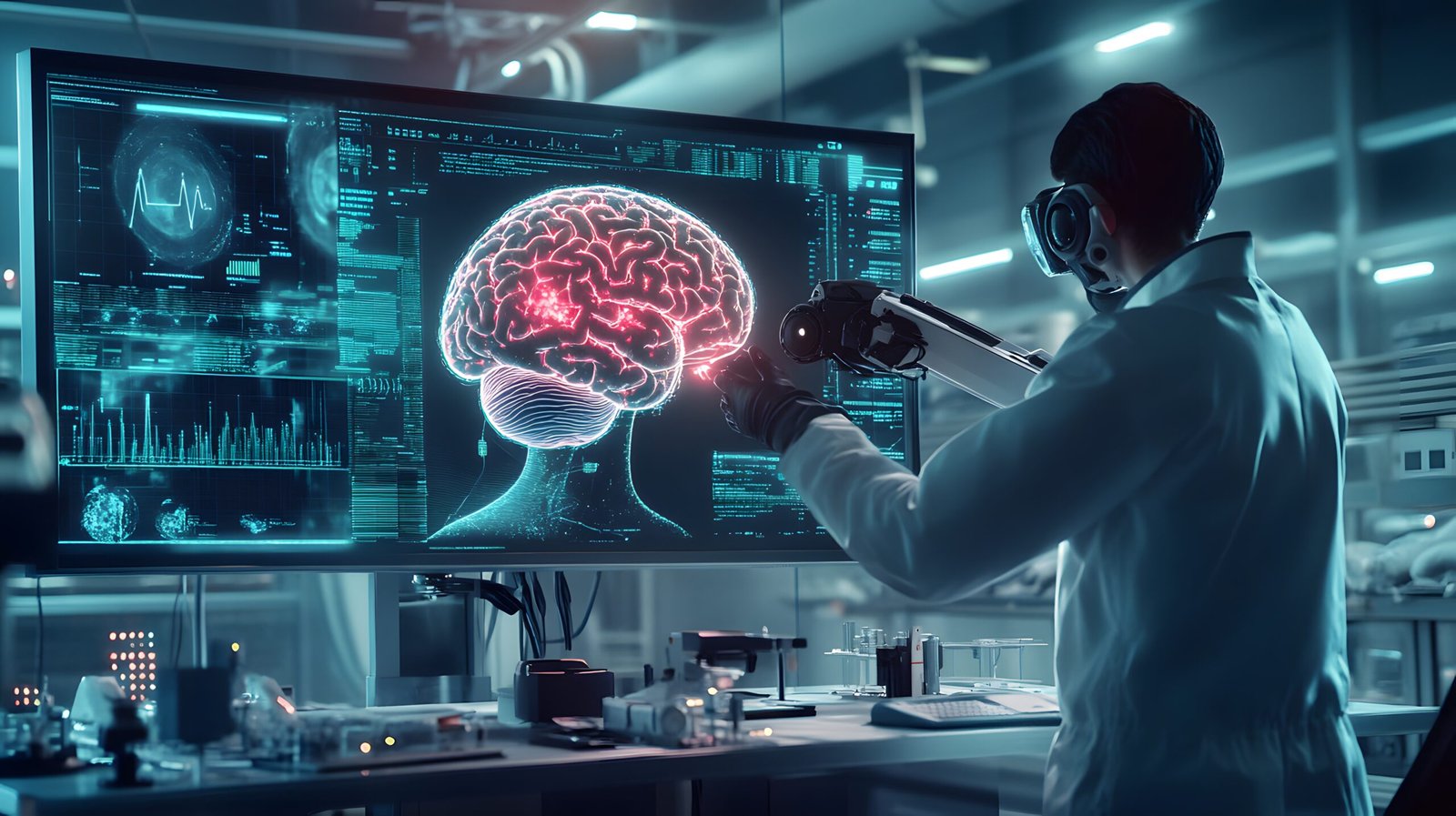
Brain-computer interfaces (BCIs) have emerged as one of the most transformative innovations in the field of neurotechnology, promising to redefine the way humans interact with machines and technology. By creating a direct communication pathway between the brain and external devices, BCIs open up exciting possibilities for enhancing human capabilities and improving the quality of life for individuals with disabilities. This technology holds immense potential across various sectors, including healthcare, communication, and entertainment.
At its core, a BCI operates by detecting and interpreting neural signals generated by brain activity. These signals are captured through various methods, such as electroencephalography (EEG), which measures electrical activity in the brain, or invasive techniques like implanted electrodes. Once the signals are collected, sophisticated algorithms process and translate them into commands that can control external devices, such as computers, prosthetic limbs, or even communication aids.
One of the most significant applications of BCIs is in the field of rehabilitation for individuals with motor impairments. For people who have suffered from strokes, spinal cord injuries, or neurodegenerative diseases, BCIs offer a means to regain lost motor function or enhance mobility. For example, BCIs can be used to control robotic exoskeletons that assist individuals in walking or performing daily tasks. Research has shown that these systems can lead to significant improvements in mobility and independence, transforming the lives of many individuals with disabilities.
In addition to motor rehabilitation, BCIs have garnered attention for their potential to assist individuals with severe communication challenges. For those with conditions such as amyotrophic lateral sclerosis (ALS) or locked-in syndrome, traditional methods of communication may be impossible. BCIs can provide a lifeline by allowing these individuals to communicate through thought alone. By interpreting specific neural patterns associated with imagined speech or movement, BCIs enable users to compose messages or control devices, offering a means of connection and expression that was previously unattainable.
The entertainment industry has also embraced BCIs, exploring their potential in gaming and immersive experiences. With the ability to control virtual environments through thoughts and brain activity, BCIs offer a novel way for users to interact with digital content. This innovation could lead to more immersive gaming experiences and new forms of storytelling that adapt to the user’s emotional state and mental engagement.
Despite the promising applications of BCIs, several challenges and ethical considerations must be addressed. One primary concern is the variability in individual brain signals. Each person’s brain activity is unique, which can complicate the development of standardized BCI systems. Ongoing research aims to refine algorithms and enhance the accuracy of signal interpretation to ensure reliable performance across diverse populations.
Invasive BCIs, while potentially offering greater precision, also raise ethical questions regarding safety and privacy. Surgical implantation of electrodes carries inherent risks, and individuals must weigh the potential benefits against these concerns. Furthermore, the prospect of directly accessing and interpreting neural data raises important ethical considerations surrounding consent, data ownership, and the potential for misuse of information.
The long-term effects of BCI use are another area of active investigation. While many users report positive experiences, questions about the psychological and physiological impacts of prolonged BCI interaction remain unanswered. Longitudinal studies are essential to understanding how sustained use of BCIs may affect brain function, mental health, and overall well-being.
As technology continues to advance, the future of BCIs holds immense promise. Innovations in materials science and engineering may lead to the development of more biocompatible and durable implants, minimizing risks and enhancing user comfort. Additionally, improvements in machine learning and artificial intelligence could further refine the accuracy of signal interpretation, enabling more seamless interactions between the brain and external devices.
The potential for BCIs to transform healthcare is particularly exciting. As research progresses, the integration of BCIs into clinical practice could revolutionize rehabilitation protocols, offering tailored interventions based on individual brain activity patterns. For example, real-time feedback on brain function could guide therapy sessions, allowing healthcare providers to adapt treatments to the patient’s specific needs and responses.
Moreover, the possibility of connecting multiple BCIs could lead to unprecedented opportunities for collaboration and collective problem-solving. Imagine a future where individuals can share thoughts, ideas, and emotions through interconnected BCIs, fostering deeper connections and understanding among people. This prospect raises both exciting possibilities and complex ethical questions about the nature of human interaction and consciousness.
In conclusion, brain-computer interfaces represent a revolutionary advancement in neurotechnology, bridging the gap between the mind and machines. With applications spanning healthcare, communication, and entertainment, BCIs hold the potential to enhance human capabilities and improve the quality of life for individuals with disabilities. As research and development continue to progress, the future of BCIs promises to unlock new possibilities for human-computer interaction, ultimately reshaping our understanding of the mind and its potential.
Love a good slot myself! Check out 7075slots for a fun site with a decent variety of slot games. Haven’t had problems either! Try 7075slots Now!
I recently downloaded an app named 123betapp.info. And so far I’m loving it! Definitely try to download 123betapp and tell me about it!
fg777link https://www.befg777link.com
playpal77 https://www.playpal77sy.org
77jili https://www.77jilig.net
jilibet004 https://www.jilibet004.org
bk8casino https://www.bk8casinovs.com
taya777login https://www.wtaya777login.com
slotphlogin https://www.exslotphlogin.net
peryaplus https://www.rsperyaplus.net
fb777 slot https://www.fb7777-slot.com
taya333 https://www.taya333.org
jili5 https://www.jili5g.net
62jl https://www.it62jl.org
What’s the word? 777tiger777 is up next on my exploration list. A bit extra with the three 7’s, but maybe it’s a lucky charm. I’ll let you know! 777tiger777
Been playing on 80win8 for a bit now. Gotta say, the payouts have been pretty consistent. Definitely one to watch.
I’m a newbie when it comes to online casinos, but 81betcc makes the process quite simple! Good starting point for those wondering if it is worth getting started.
Slot tại Link Đá Gà không bị chặn tại Việt Nam có biểu tượng “?” giải thích luật chơi ngay trong game – bạn không cần thoát ra ngoài để tra cứu, tiết kiệm thời gian và chơi liền mạch. TONY01-30H
Heard some good things about heybajivip, so I signed up. So far, so good! Fast payouts and a decent welcome offer. Might just be my new favourite. Take a peek at heybajivip
Simple and straightforward is what I like, and 8e88login seems to deliver just that. No fuss, just straight into the games. Worth a punt if you’re after something easy to use. Head over to 8e88login
If you’re looking for a site that’s got all the links you need, give linkace88 a go. Streamlines the whole process. All the action is at linkace88
[8504]pesoBet Online Casino: Real Money Games, Slots & App Login Experience the best real money games at pesoBet Online Casino Philippines. Play top slots and enjoy a secure app login for non-stop action. Join pesoBet today! visit: pesoBet
[3453]mtm777 México | Casino Online, Slots y Bono de Bienvenida Únete a mtm777 México, el casino online líder. Disfruta de las mejores slots y un bono de bienvenida exclusivo. ¡Regístrate en mtm777 y empieza a ganar hoy mismo! visit: mtm777