


The Role of Emotions in Learning and Memory: A Complex Relationship

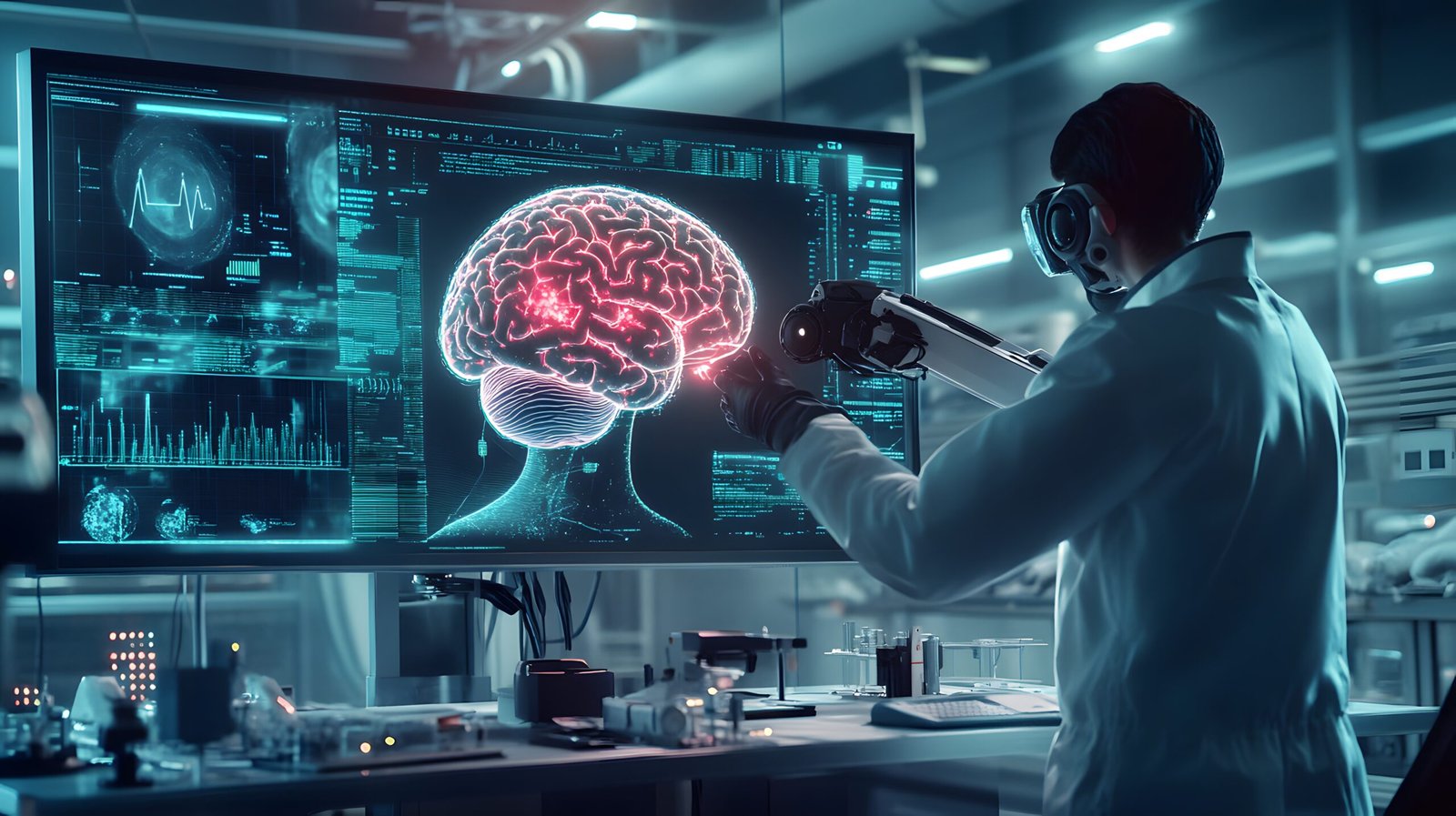
The intricate relationship between emotions and memory is a fascinating area of study in neuroscience and psychology. Emotions play a pivotal role in shaping the way individuals learn, remember, and even forget. This connection is not merely coincidental; rather, it is deeply embedded in the brain’s structure and functioning. Understanding this interplay can shed light on how emotions can enhance or hinder the learning process, and how individuals can harness this knowledge to improve their own learning and memory capabilities.
At the heart of this relationship is the limbic system, a complex network of structures in the brain that regulates emotions and memory. The amygdala, a key component of the limbic system, is particularly important in processing emotional responses. It acts as an emotional sentinel, detecting emotional stimuli and influencing the way memories are formed and retrieved. When individuals experience strong emotions—whether positive or negative—the amygdala becomes activated, signaling to the hippocampus to prioritize the encoding of these memories. This biological mechanism explains why emotionally charged experiences are often remembered more vividly than neutral ones.
Research has shown that emotions can significantly enhance memory retention. Studies indicate that events that provoke strong emotional responses, such as joy, fear, or sadness, are more likely to be remembered than mundane occurrences. For instance, a study involving participants who watched a film with both emotionally intense and neutral scenes demonstrated that individuals recalled emotional scenes with greater accuracy. This heightened memory for emotional events serves an evolutionary purpose, as it enables individuals to learn from experiences that are critical for survival.
However, while emotions can enhance memory, they can also create challenges. High levels of stress or anxiety can impair the brain’s ability to encode and retrieve information. When individuals are under stress, the body releases cortisol, a hormone that can disrupt the functioning of the hippocampus, hindering memory formation. This is particularly relevant in high-pressure situations, such as during exams or public speaking, where anxiety can impede performance and memory recall. Understanding the effects of stress on learning and memory can help individuals develop strategies to manage anxiety and optimize their cognitive performance.
Interestingly, the type of emotion experienced can influence the nature of the memory formed. Positive emotions, such as joy and excitement, tend to facilitate the formation of creative and flexible memories, allowing individuals to think outside the box and make novel connections. Conversely, negative emotions, such as fear and sadness, can lead to more rigid and detail-oriented memories. This distinction highlights the adaptive functions of emotions in learning, as different emotional states can shape the way information is processed and remembered.
The interplay between emotions and memory is also evident in the phenomenon of flashbulb memories. These vivid, detailed memories are often formed during emotionally significant events, such as a traumatic incident or a moment of great joy. Individuals often recall where they were, who they were with, and what they were doing when they received the news of such events. However, while flashbulb memories feel incredibly accurate, research has shown that they are subject to distortion over time, similar to other types of memories. This highlights the brain’s tendency to reconstruct memories based on current beliefs and information, rather than providing a perfect snapshot of the past.
Moreover, the role of emotion in memory can be harnessed in educational settings. Educators can create emotionally engaging learning environments that foster positive emotional experiences, thereby enhancing memory retention among students. Techniques such as storytelling, interactive activities, and real-world applications can evoke emotions and make learning more memorable. When students feel emotionally connected to the material, they are more likely to engage with it and retain the information in the long term.
In addition to the educational implications, understanding the relationship between emotions and memory has practical applications in therapeutic contexts. Techniques such as emotion-focused therapy and cognitive-behavioral therapy often involve exploring and processing emotional memories to help individuals cope with trauma or emotional distress. By addressing the emotional aspects of memory, therapists can help clients reframe their experiences, reduce anxiety, and promote healing.
As individuals navigate through life, they encounter a multitude of experiences that evoke different emotions, influencing their learning and memory processes. This dynamic interplay underscores the importance of self-awareness and emotional regulation in optimizing cognitive performance. By recognizing how emotions impact their ability to learn and remember, individuals can develop strategies to manage their emotional responses and create a conducive learning environment.
In conclusion, the relationship between emotions and memory is a complex yet essential aspect of human cognition. Emotions can enhance memory retention, shape the nature of memories, and impact cognitive performance in various contexts. Understanding this interplay can empower individuals to harness their emotional experiences to optimize their learning and memory capabilities. As research continues to explore this fascinating connection, new insights into the brain’s emotional processing will undoubtedly lead to innovative strategies for enhancing education, therapy, and personal growth.

Yo, baccarat88clb looks pretty neat, especially for the baccarat fans in the group! Give it a try: baccarat88clb
Trying out 355bet2 tonight. Fingers crossed for some wins! Good luck to all of us! Join the fun at 355bet2
bet777app https://www.bet777appv.org
vipjili https://www.vipjiliji.com
phtaya06 https://www.phtaya06y.com
phwin25 https://www.phwin25g.net
93jili https://www.la93jili.net
pin77 casino https://www.pin77-ol.com
[4032]Haha777 Philippines: Top Online Casino & Slot Games. Quick Haha777 Login, Register, and App Download for the Best Gaming Experience. Experience Haha777 Philippines: the top online casino for Haha777 slot games. Easy Haha777 login & register. Get the Haha777 app download for the best gaming experience! visit: haha777