


The Brain’s Adaptability: Learning and Memory Across the Lifespan

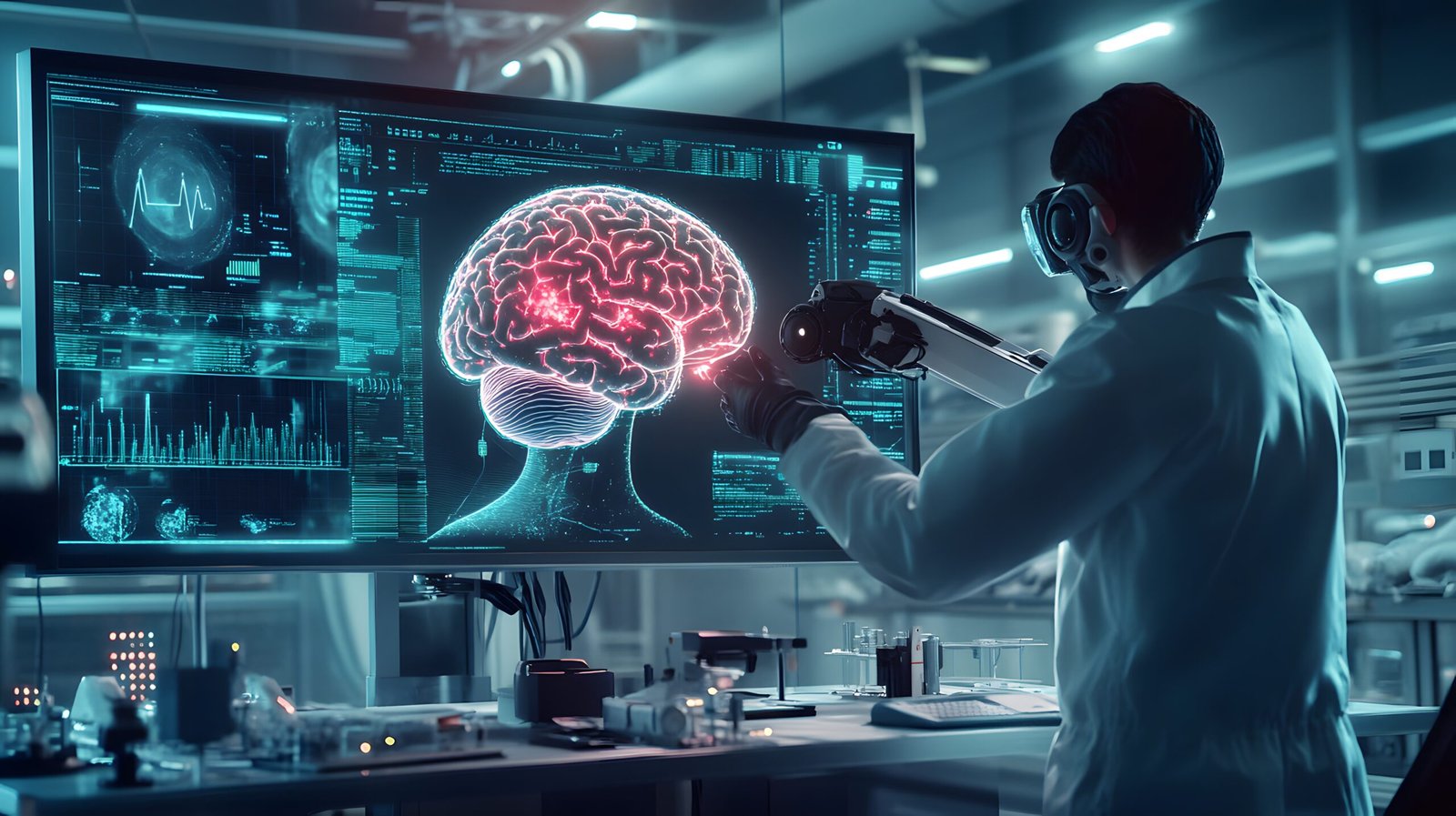
The human brain is often hailed as one of the most complex and adaptable systems in existence. Central to its incredible abilities are the processes of learning and memory, which enable individuals to make sense of the world, acquire new skills, and store information for future use. From childhood through adulthood and into old age, the brain’s capacity to learn and remember continuously evolves, adapting to new experiences and demands. This adaptability is what makes the brain such an extraordinary organ, allowing humans to excel in diverse environments and under various circumstances.
At the heart of this adaptability lies neuroplasticity, the brain’s ability to reorganize itself by forming new neural connections in response to learning and experience. This dynamic process allows the brain to remain flexible, even as it encounters new challenges. Neuroplasticity is especially pronounced during childhood, when the brain is highly receptive to learning and can absorb vast amounts of information. However, contrary to previous beliefs, the brain remains plastic throughout life, enabling individuals to continue learning and developing new skills well into old age. This discovery has revolutionized the way scientists think about the mind’s learning and memory capabilities.
One of the most striking examples of the brain’s learning ability can be observed in language acquisition. Children are especially adept at learning languages, often picking up multiple languages effortlessly during their early years. The brain’s plasticity during this time allows it to quickly adapt to the sounds, grammar, and structure of a new language, which is why young children are often considered to be in a ‘critical period’ for language learning. However, research has shown that while language acquisition may be more challenging in adulthood, it is still entirely possible for adults to learn new languages through dedicated practice and immersion.
Memory plays a crucial role in supporting this learning process. Without memory, the brain’s ability to retain and apply information would be severely limited. The process of memory formation is complex and involves multiple stages, including encoding, storage, and retrieval. During encoding, the brain converts sensory input into a form that can be stored in memory. This information is then stored in the brain, either in short-term or long-term memory, depending on its importance and relevance. Retrieval is the process by which stored memories are accessed and used, allowing individuals to apply past experiences and knowledge to new situations.
Memory itself is not a static entity. In fact, memory is constantly being shaped and reshaped by new experiences and information. This process, known as memory consolidation, allows memories to become more stable over time. Interestingly, the act of recalling a memory can also lead to changes in the memory itself. Each time a memory is retrieved, it is susceptible to being altered or influenced by new information, a process known as memory reconsolidation. While this ability to update memories is a testament to the brain’s adaptability, it also highlights the potential for memory distortions, as recollections can become less accurate over time.
This flexibility in memory can be both a strength and a weakness. On one hand, the brain’s ability to revise memories allows individuals to integrate new learning and adapt to changing circumstances. On the other hand, it can lead to the formation of false memories or inaccuracies in recall. Studies have shown that people can be highly confident in their recollections, even when those memories are demonstrably false. This malleability of memory has important implications, particularly in fields such as eyewitness testimony and therapy, where the accuracy of memory is often critical.
Despite these potential pitfalls, the brain’s learning and memory capabilities remain one of its greatest strengths. Throughout life, individuals rely on their memory to navigate the world, solve problems, and make decisions. Learning and memory are deeply intertwined with the ability to adapt and grow, as new experiences continually shape the way the brain processes information. As individuals encounter new challenges, the brain’s neural networks adjust to accommodate new learning, creating a dynamic system that evolves over time.
Interestingly, different types of learning engage different parts of the brain. For instance, procedural learning, which involves acquiring motor skills such as riding a bike or playing a musical instrument, relies heavily on the basal ganglia and the cerebellum. This type of learning is often characterized by repetition and practice, and once a procedural memory is formed, it tends to become automatic. Declarative learning, on the other hand, involves the acquisition of facts and knowledge, and is primarily associated with the hippocampus. This type of learning is often more fragile and subject to forgetting, but it can be strengthened through techniques such as spaced repetition and elaboration.
Another important aspect of learning and memory is the role of sleep. Sleep is critical for the consolidation of new memories, as it allows the brain to process and store information gathered during the day. Studies have shown that sleep deprivation can significantly impair learning and memory, as the brain is less able to consolidate new information without adequate rest. Conversely, getting sufficient sleep, particularly during the deep stages of sleep, can enhance memory performance and improve learning outcomes.
Emotion also plays a significant role in shaping how the brain learns and remembers. Emotionally charged events are often remembered more vividly than neutral ones, a phenomenon that is believed to be an evolutionary adaptation designed to help individuals remember important or dangerous experiences. The amygdala, which is involved in processing emotions, plays a key role in this process by interacting with the hippocampus to enhance the encoding and retrieval of emotional memories. This close connection between emotion and memory explains why people are often able to recall emotionally significant events, such as a wedding or a traumatic experience, with remarkable clarity.
As individuals age, changes in learning and memory are inevitable. However, the extent of these changes can vary greatly depending on factors such as lifestyle, genetics, and cognitive engagement. Research has shown that staying mentally active by engaging in activities such as reading, solving puzzles, and learning new skills can help preserve cognitive function and memory as individuals age. Similarly, physical exercise has been shown to have a positive impact on brain health, as it promotes the growth of new neurons and enhances the brain’s ability to form new connections.
Nevertheless, age-related memory decline is a common challenge that many individuals face as they grow older. The hippocampus, which is critical for memory formation, tends to shrink with age, leading to difficulties in forming new memories. However, recent research has shown that neuroplasticity persists in the aging brain, meaning that even in old age, the brain remains capable of learning and adapting. Cognitive training exercises, such as memory games and brain teasers, have been shown to improve memory performance in older adults, suggesting that the brain’s learning capabilities can be maintained with the right interventions.
In addition to cognitive training, advancements in neuroscience are opening up new possibilities for enhancing learning and memory. Techniques such as brain stimulation and neurofeedback are being explored as potential methods for improving cognitive function and boosting memory performance. While these technologies are still in their early stages, they hold promise for helping individuals optimize their mental abilities and maintain cognitive health throughout life.
Despite the challenges associated with learning and memory, the human brain remains a remarkable tool for adaptation and growth. The ability to learn from experience, retain knowledge, and apply it to new situations is what allows individuals to thrive in a constantly changing world. By understanding the mechanisms that underlie learning and memory, researchers are uncovering new ways to enhance cognitive function and improve the quality of life for individuals across the lifespan.
In conclusion, the brain’s learning and memory capabilities are a testament to its adaptability and resilience. From childhood to old age, the mind is constantly evolving, driven by the need to learn, grow, and adapt to new experiences. While memory may be malleable and prone to distortion, it is also one of the brain’s most powerful tools for navigating the world. As research continues to advance, new insights into the brain’s learning and memory processes will undoubtedly lead to even greater understanding of how individuals can become true masters of their own minds.


888betstanzania is pretty good, especially if you’re in Tanzania. Localized experience and decent sports betting options. Nothing too fancy but just good old basic betting experience. Give them a try! 888betstanzania
Realbetist? Been hearing good things. If you are looking to bet, you can start here! Give Realbetist a try and see if it’s for you. realbetist
jiliokcc https://www.jiliokccw.com
phtaya06 https://www.phtaya06y.com
phtaya 63 https://www.phtaya-63.org
okebet168 https://www.okebet168u.org
bet777app https://www.bet777appv.org
What’s up everyone! Found JLJL388Download, downloading went fast and easy. Interface is really well done. You should give it a try! jljl388download.
Yo! Having a good time while making money. I checked out funnybettingexchange and it’s good. Click the link: funnybettingexchange
7tirangagame, eh? Never heard of it. Is it any good? Hopefully, it’s not just another cash grab. Gonna give it a peek and see what the hype is about. If it’s a banger, I’m in! Find it here: 7tirangagame
Listen up! Been cruising around win678vn for a bit now. Digging the selection of games, especially the live dealer stuff. Adds a real kick to the experience. Customer service was quick when I had a question. Give win678vn a whirl, you might just get lucky!
Following a link for q9betlink. Seems like a shortcut into the q9bet website. But are these links legit? Worried it might be a phishing attempt. Just saying, be careful out there! q9betlink
Heard some good things about 577bet1.net and decided to check it out myself. Pretty impressed! The site is easy to navigate and they have a great selection of games. Definitely worth a look. 577bet1