


The Intersection of Neuroscience and Education: Enhancing Learning Through Brain Science

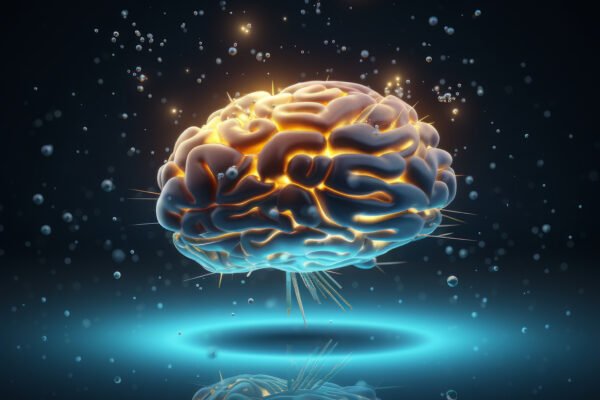
The intersection of neuroscience and education has garnered increasing attention in recent years, as educators seek to incorporate findings from brain science into teaching practices. Understanding how the brain learns can inform effective instructional strategies and improve student outcomes. By bridging the gap between neuroscience and education, educators can create more effective learning environments that…
Read More

Understanding Memory Disorders: Insights from Neuroscience

Memory disorders encompass a range of conditions that impair an individual’s ability to encode, store, and retrieve information. These disorders can significantly affect daily functioning and quality of life, making it essential to understand their underlying mechanisms. Advances in neuroscience have shed light on the biological and psychological aspects of memory disorders, offering insights into…

Read More

The Neuroscience of Addiction: Understanding the Brain’s Reward Pathways

Addiction is a complex and multifaceted condition that affects millions of people worldwide. At its core, addiction involves alterations in brain function, particularly within the brain’s reward pathways. Neuroscience has made significant strides in understanding the biological mechanisms underlying addiction, providing insights that could inform more effective treatment strategies. However, addiction also poses challenges related…

Read More

Neurogenesis in Adults: Fact or Fiction?

For many years, it was believed that neurogenesis—the process of generating new neurons—only occurred during early brain development and ceased in adulthood. However, recent research has challenged this view, suggesting that neurogenesis may continue throughout life, particularly in the hippocampus, a brain region involved in memory and learning. This discovery has profound implications for our…

Read More

Deep Brain Stimulation: A Ray of Hope for Neurological Disorders

Deep Brain Stimulation (DBS) is a medical procedure that involves implanting electrodes in specific areas of the brain to regulate abnormal brain activity. Originally developed to treat Parkinson’s disease, DBS has since been used to address other neurological and psychiatric disorders, including epilepsy, depression, and obsessive-compulsive disorder (OCD). While DBS has provided life-changing relief for…

Read More

The Impact of Sleep on Brain Function

Sleep is a fundamental physiological process that significantly impacts brain function. It plays a crucial role in memory consolidation, emotional regulation, and cognitive performance. Sleep disorders, such as insomnia and sleep apnea, can have far-reaching effects on mental and physical health. Recent research has revealed a bidirectional relationship between sleep and the brain, with neural…

Read More

The Role of Dopamine in the Brain: The Balance of Reward and Risk

Dopamine is a neurotransmitter that plays a central role in many of the brain’s key functions, particularly those related to reward, motivation, and pleasure. However, it is often oversimplified as the “pleasure chemical,” which misses the complexity of its functions. Dopamine influences decision-making, emotional regulation, and even movement. It is also deeply implicated in disorders…

Read More