


Neuroplasticity: The Mind’s Remarkable Ability to Adapt and Learn

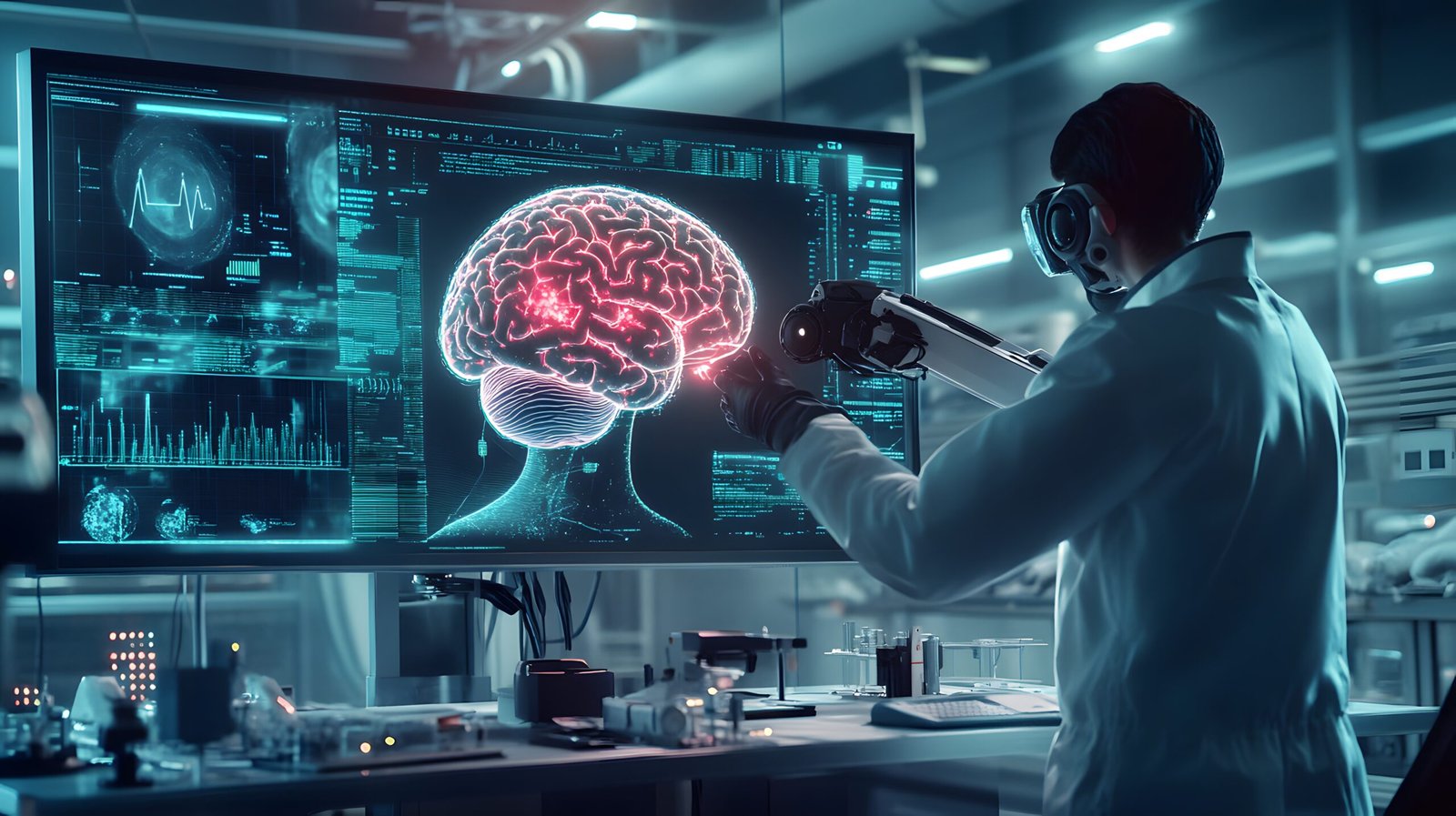
Neuroplasticity, the brain’s ability to reorganize itself by forming new neural connections throughout life, is a fundamental concept in understanding how learning and memory function. This remarkable capacity allows individuals to adapt to new experiences, learn new skills, and recover from injuries, illustrating the brain’s dynamic nature. As research into neuroplasticity deepens, it has become…


Read More

The Power of Mindfulness: Enhancing Learning and Memory Through Awareness

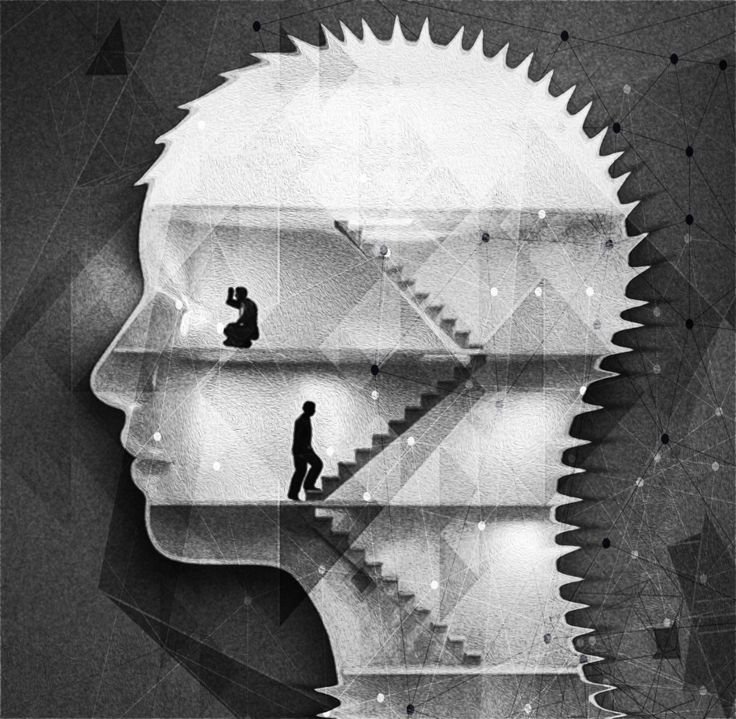
In recent years, the concept of mindfulness has gained significant traction in both psychological and educational contexts. Mindfulness, defined as the practice of maintaining a moment-by-moment awareness of thoughts, feelings, bodily sensations, and the surrounding environment, has profound implications for learning and memory. As individuals navigate the complexities of modern life, understanding the impact of…

Read More

The Role of Emotions in Learning and Memory: A Complex Relationship

The intricate relationship between emotions and memory is a fascinating area of study in neuroscience and psychology. Emotions play a pivotal role in shaping the way individuals learn, remember, and even forget. This connection is not merely coincidental; rather, it is deeply embedded in the brain’s structure and functioning. Understanding this interplay can shed light…

Read More

The Intersection of Neuroscience and Education: Enhancing Learning Through Brain Science

The intersection of neuroscience and education has garnered increasing attention in recent years, as educators seek to incorporate findings from brain science into teaching practices. Understanding how the brain learns can inform effective instructional strategies and improve student outcomes. By bridging the gap between neuroscience and education, educators can create more effective learning environments that…

Read More