



The Psychology of Motivation: Understanding What Drives Human Behavior
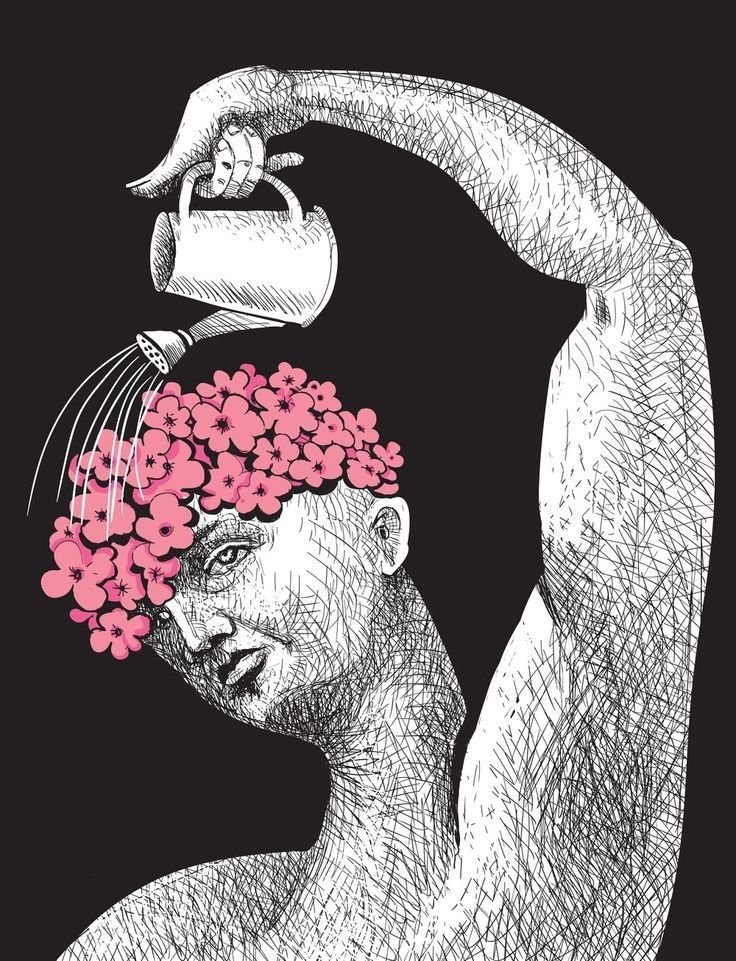
Motivation, a core concept in psychology, plays an integral role in human behavior. It is the driving force behind why people act, persist, or cease in their efforts. Researchers in psychology have long been fascinated by the intricacies of motivation, seeking to understand its origins, variations, and impacts on human development and success. Theories of motivation have evolved over time, with recent studies shedding light on the neurobiological, social, and cognitive elements that influence this critical psychological mechanism.
Historical Theories of Motivation
Historically, psychologists have introduced numerous theories to explain motivation. One of the most recognized is Maslow’s Hierarchy of Needs, which categorizes human needs into five levels, from physiological to self-actualization. This theory proposes that individuals are motivated to fulfill their basic needs before progressing to higher-level psychological needs.
Deci and Ryan’s Self-Determination Theory is another influential framework, emphasizing the roles of autonomy, competence, and relatedness in motivation. Research based on this theory indicates that when individuals feel in control of their actions and connected to others, their intrinsic motivation flourishes.
Recent studies have extended these theories, adding layers of complexity by incorporating neurobiological factors, such as dopamine’s role in reward and motivation circuits in the brain.
Intrinsic vs. Extrinsic Motivation
Psychologists often differentiate between intrinsic and extrinsic motivation. Intrinsic motivation refers to performing a task for inherent satisfaction or enjoyment, while extrinsic motivation involves completing an activity to achieve a separable outcome, such as rewards or recognition.
Research shows that intrinsic motivation tends to result in longer-lasting engagement and deeper learning, especially in educational and professional settings. On the other hand, extrinsic motivation is useful in short-term tasks or when external incentives are necessary to initiate action. However, studies reveal that overreliance on extrinsic rewards can sometimes undermine intrinsic motivation, a phenomenon known as the “overjustification effect.”
Cognitive and Emotional Factors
Recent research in motivation psychology explores the role of cognition and emotion in shaping motivational states. Cognitive dissonance theory posits that individuals are motivated to reduce the discomfort caused by holding contradictory beliefs or behaviours. Studies in this area have examined how people strive to achieve consistency in their actions and beliefs, often adjusting their attitudes or behaviours to alleviate dissonance.
Additionally, emotional regulation has emerged as a key factor in understanding motivation. Emotions like joy, pride, or fear can significantly impact motivation. For example, research shows that positive emotions can enhance intrinsic motivation, while negative emotions, such as fear of failure, can either spur individuals toward action or lead to avoidance and procrastination.
Neuroscientific Perspectives on Motivation
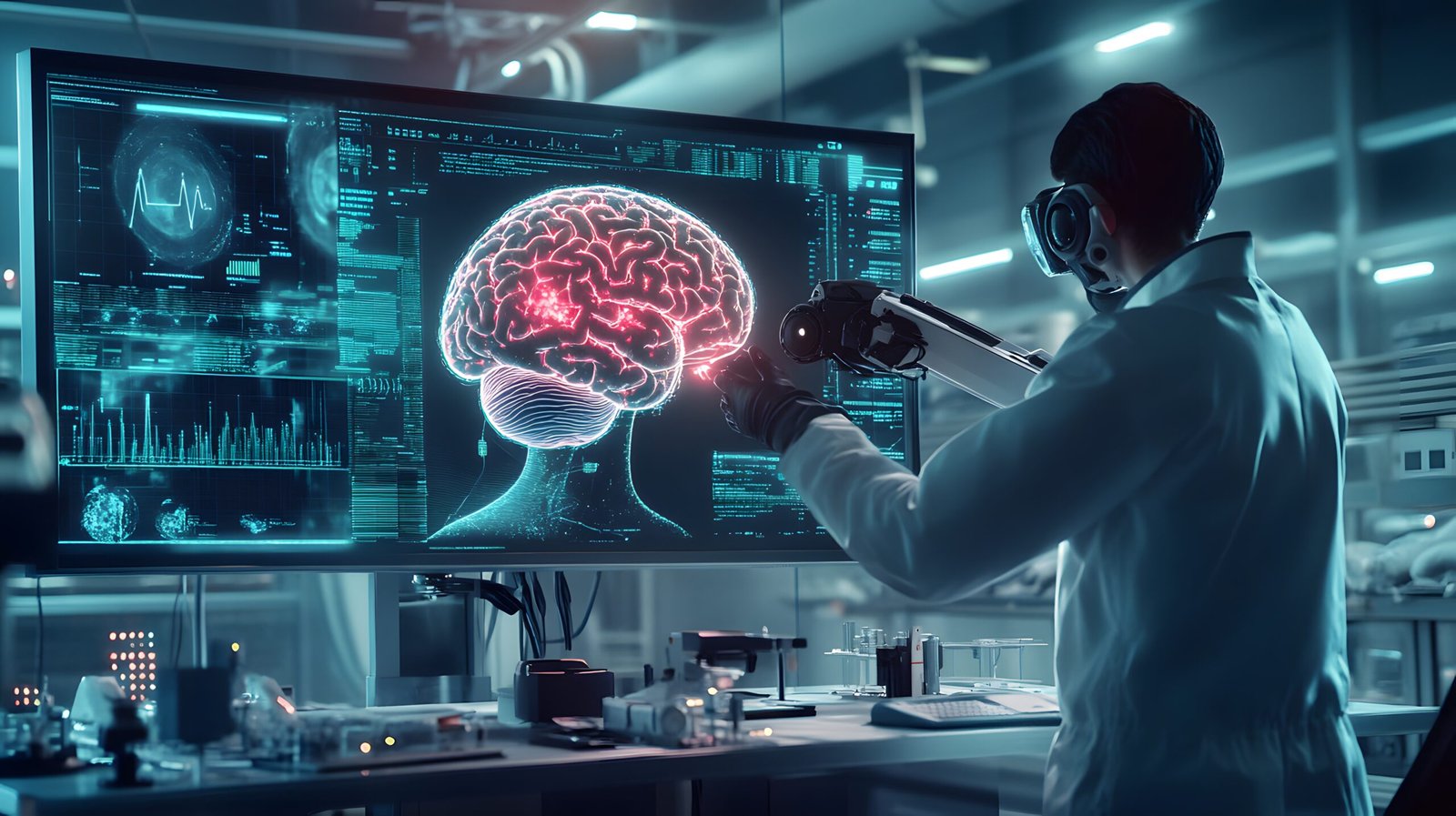
In recent years, advancements in neuroscience have provided new insights into the biological underpinnings of motivation. Dopamine, often called the “motivation molecule,” plays a crucial role in the brain’s reward system. Research indicates that dopamine release is associated with the anticipation of rewards, influencing goal-directed behaviour.
Neuroscientific studies have also explored the function of brain structures, such as the prefrontal cortex and the ventral striatum, in regulating motivation. The prefrontal cortex is responsible for planning and decision-making, while the ventral striatum is linked to pleasure and reward processing. Dysregulation in these areas can lead to motivational deficits, as observed in conditions like depression or addiction.
Applications in Education and Workplace Settings
Understanding the psychology of motivation has significant implications for both education and the workplace. In educational settings, fostering intrinsic motivation has been shown to improve student engagement and academic performance. Techniques such as goal-setting, self-regulation strategies, and autonomy-supportive teaching are widely used to enhance student motivation.
In the workplace, research suggests that job enrichment, employee recognition, and opportunities for professional growth can boost motivation and productivity. Additionally, the importance of aligning individual goals with organizational objectives is a key factor in sustaining motivation in professional environments.
Social and Cultural Influences
Motivation is not solely an individual phenomenon; it is also shaped by social and cultural contexts. Social comparison theory suggests that individuals are motivated by comparing themselves to others, which can either enhance or diminish their self-efficacy and motivation.
Cultural values also play a role in determining what motivates people. For instance, in individualistic cultures, personal achievement and autonomy may be more valued, whereas in collectivist cultures, social harmony and group success are stronger motivators. Cross-cultural research in psychology continues to explore these variations, highlighting the diverse ways motivation manifests across different societies.
The Pros and Cons of Different Motivational Approaches
While motivation is essential for achieving goals, not all motivational strategies are equally effective in all situations. Intrinsic motivation is generally more beneficial for long-term engagement, but it can be challenging to foster in environments where external pressures are high. For example, in highly competitive workplaces, extrinsic motivators like bonuses and promotions might be necessary to drive performance, but they may not lead to genuine job satisfaction.
Conversely, intrinsic motivation can sometimes be limited by external constraints. For instance, an artist may be deeply motivated to create, but financial or social pressures can hinder their ability to pursue their passion freely. This balance between internal and external motivators remains a key area of research in motivational psychology.


I’ve been messing around with jilicrown24 and it’s not bad at all. A pretty solid platform to checkout, it’s worth a look-see. Check it out here: jilicrown24
Heard about the Calico slot game from Lucky Calico Activity. It’s fun. Give it a try! Check it out: calico slot
nustaronline https://www.umnustaronline.org
jiliokcc https://www.jiliokccw.com
phwin25 https://www.phwin25g.net
fb777 slot https://www.fb7777-slot.com
fb777login https://www.fb777loginv.org
Okay, a losing bonus? Sounds like a safety net. If you’re having a rough streak, KhelostarLosingBonus might soften the blow. Still, let’s aim for wins! Get familiar with the offer at khelostarlosingbonus.
Lost my Lotus365 login ID again! Ugh. At least the site’s straightforward to navigate to recover it. Hope they’ve got good security, you know? Sorted my login here: lotus365loginid
Lotus365 whitelabel option looks interesting. If you’re in the game, might be worth a look? I’m just exploring the posibilities. Know more here: lotus365whitelable
Win222casino is a solid choice for online casino gaming. Good selection of games, reasonable payouts, and a pretty responsive customer service. Can’t complain -> win222casino
I gotta say, 222betlogin is not bad at all. It is easy to use and the setup is perfect. You’ll probably like it! Check out 222betlogin!
Alright, checked out 78games. Feels like a solid spot to throw some bets. Good selection of games, nothing too crazy but everything you need. I’d recommend checking it out, might be your new lucky place! Go to 78games